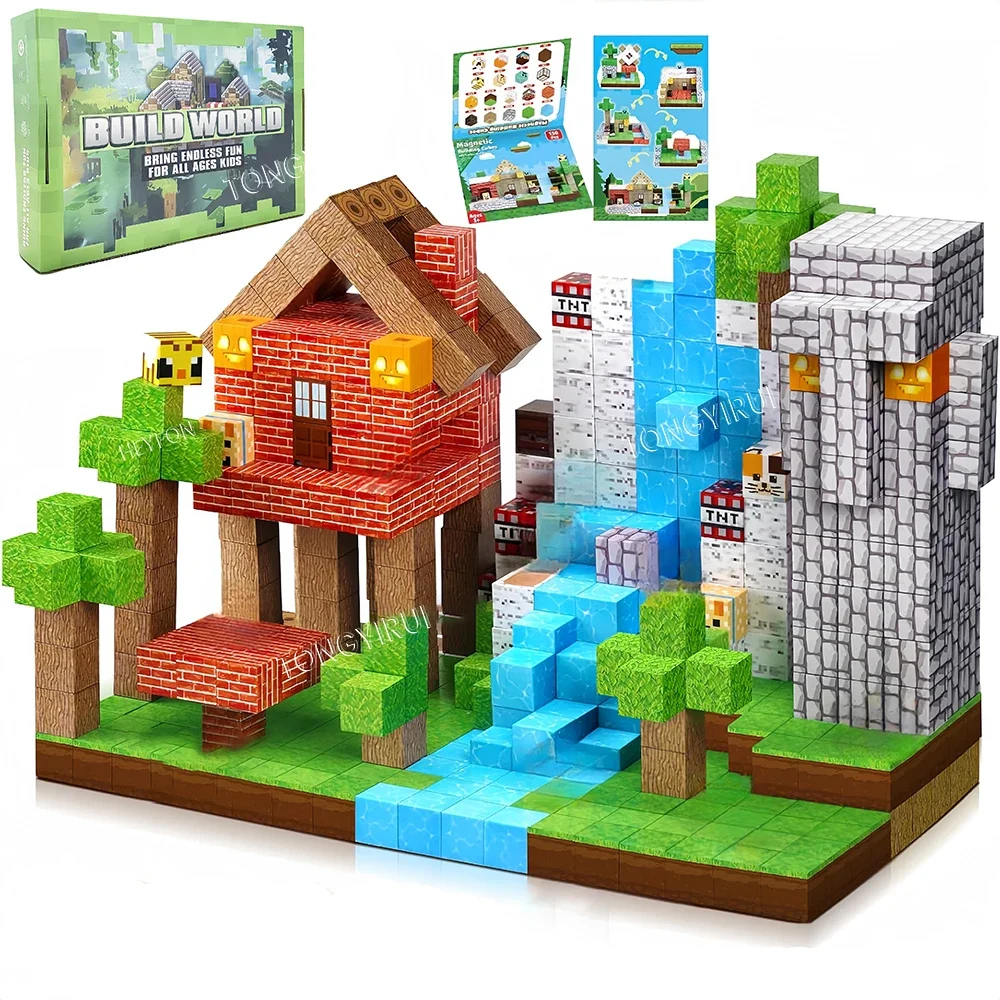
Building blocks are one of the most timeless toys in childhood development, but parents often wonder: when is the right time to introduce them? The good news is that blocks can be part of a child's play experience at almost any age—but the type of block matters. Understanding the developmental stages helps you choose the best building toys for your child and maximize their learning potential.
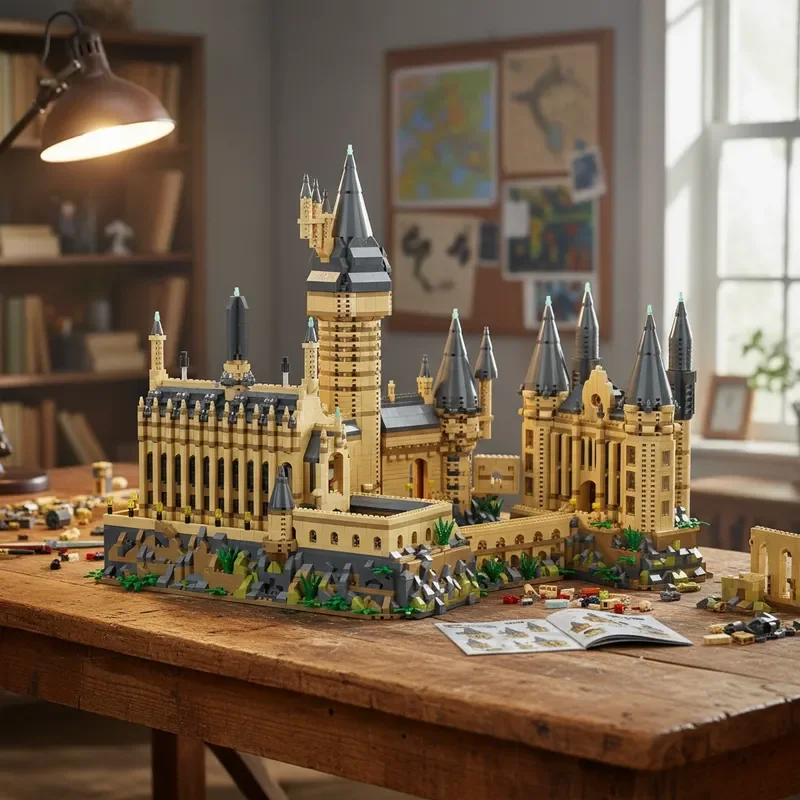
Ages 6 Months to 1 Year: Exploration Begins
Babies as young as six months can start with soft, fabric blocks or oversized foam blocks. At this age, the goal isn't construction—it's exploration. Babies are learning to grasp, shake, and mouth objects safely. Large, lightweight blocks help develop hand-eye coordination and tactile awareness. Soft blocks also satisfy the natural urge to explore through touch without the risk of hard edges.

Ages 1 to 2 Years: Stacking and Knocking Down
Once toddlers develop better motor control, they're ready for larger wooden blocks or duplo-style bricks. Around 12–18 months, children begin stacking blocks intentionally, then delight in knocking them down. This phase builds gross and fine motor skills, cause-and-effect understanding, and problem-solving foundations. The satisfaction of stacking and the excitement of demolition both contribute to learning and confidence.
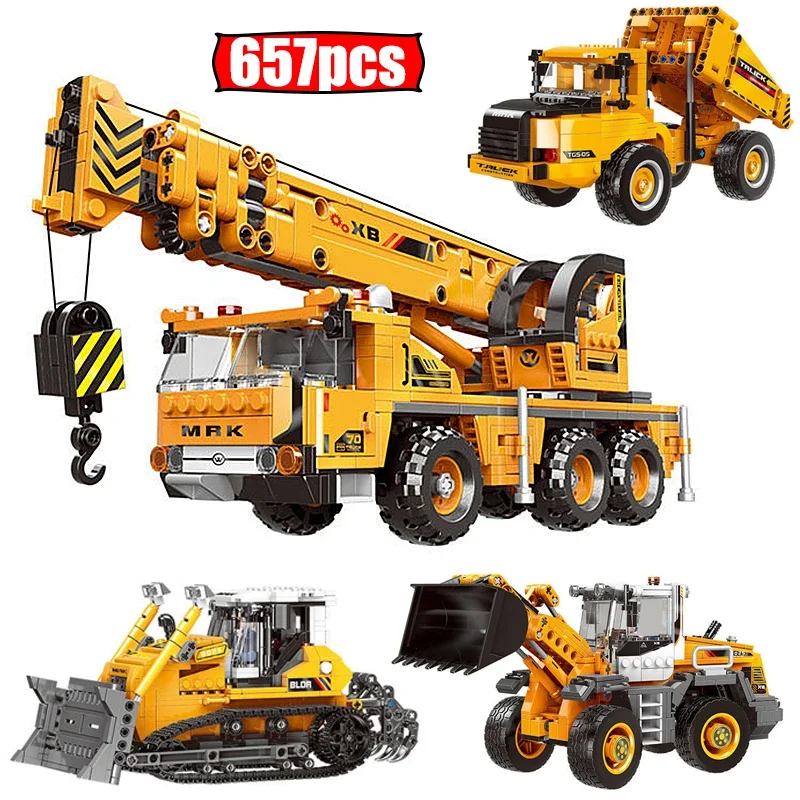
Ages 2 to 3 Years: Simple Structures
Toddlers this age can build basic towers, line blocks in rows, and attempt simple patterns. Large construction bricks designed for this age group—like Duplo or Mega Bloks—are ideal because they're easy to manipulate and impossible to choke on. At this stage, play is still largely independent, but children begin following simple instructions and imitating what adults build.
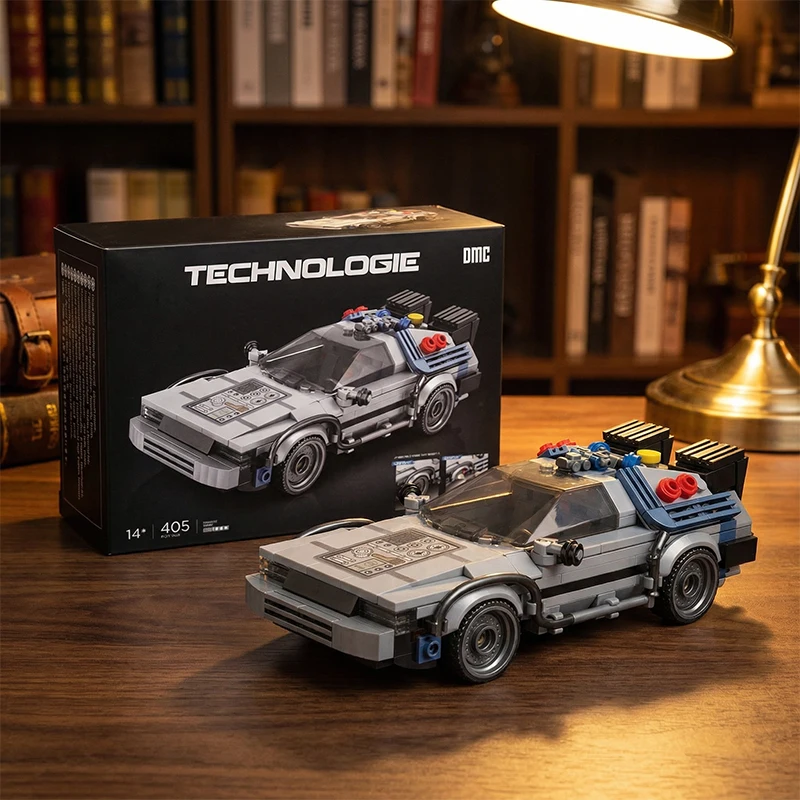
Ages 3 to 5 Years: Creativity Takes Off
Preschoolers are ready for standard-sized building blocks and construction sets. Their imagination flourishes, and they can plan simple projects: "I'm building a house" or "This is a dinosaur." Fine motor skills improve dramatically, allowing them to stack smaller blocks with precision. This age group thrives with mixed sets that include various block shapes and colors, encouraging creative expression and spatial reasoning.
Ages 5 and Up: STEM Foundations
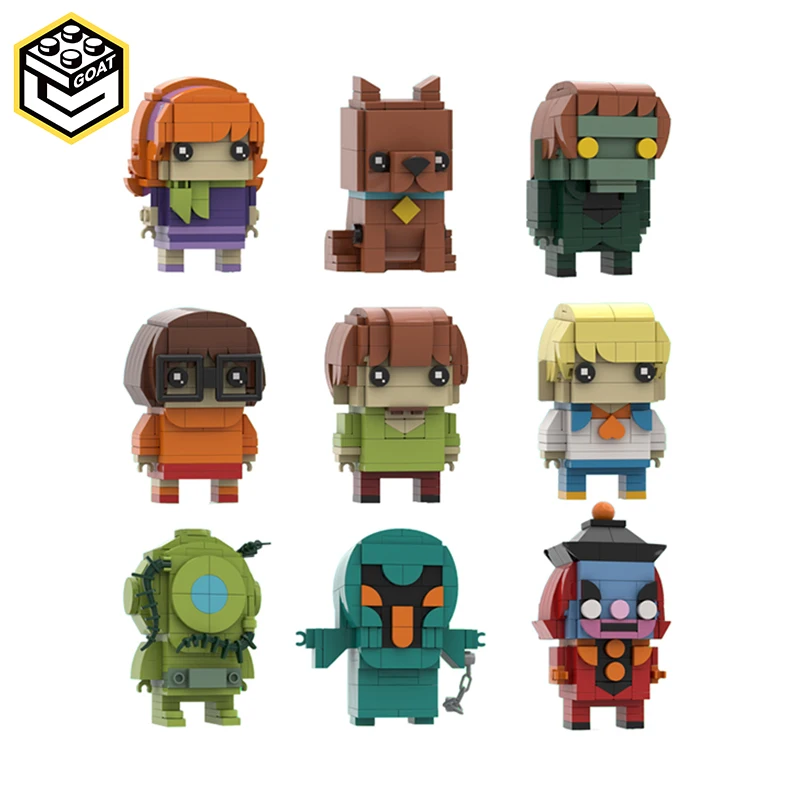
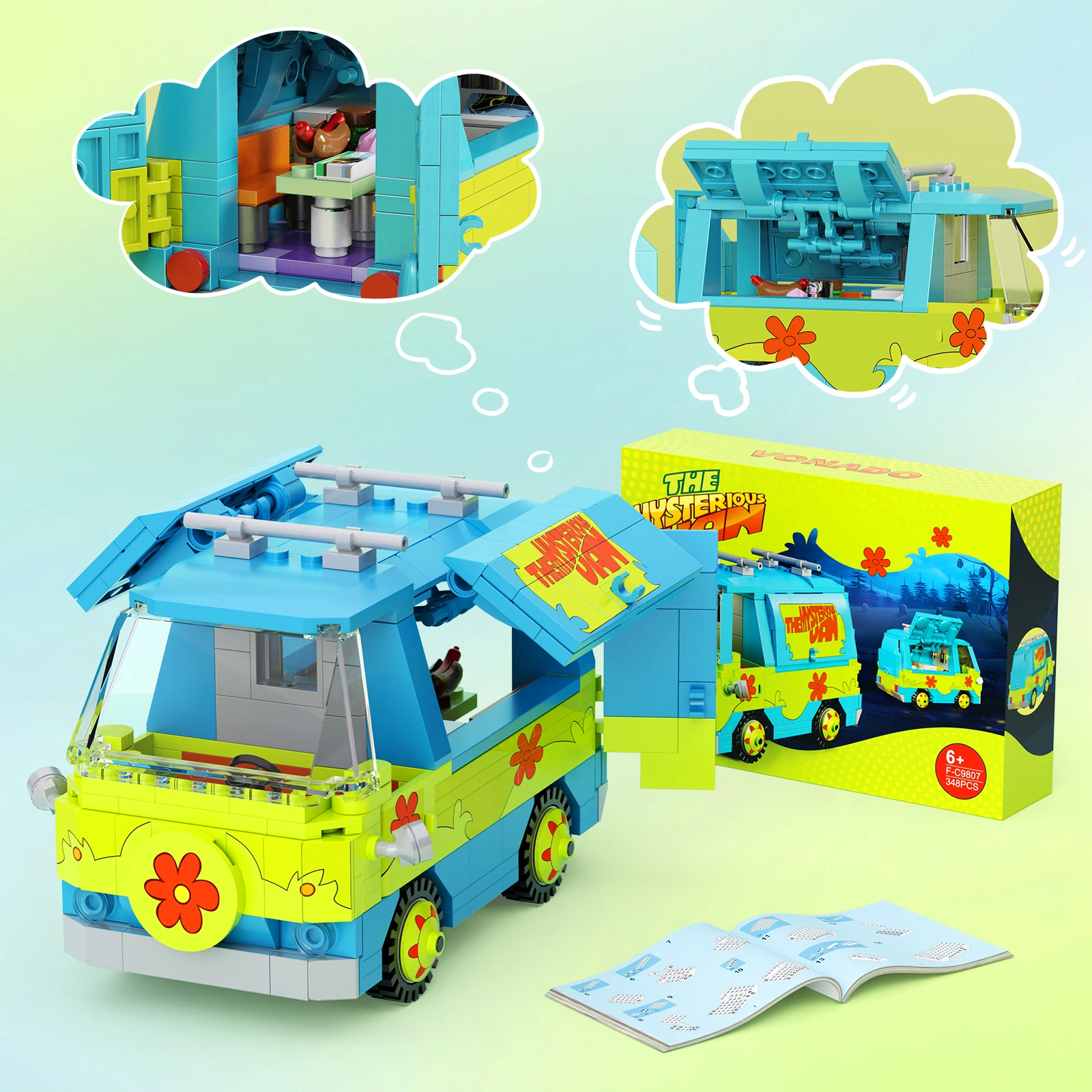
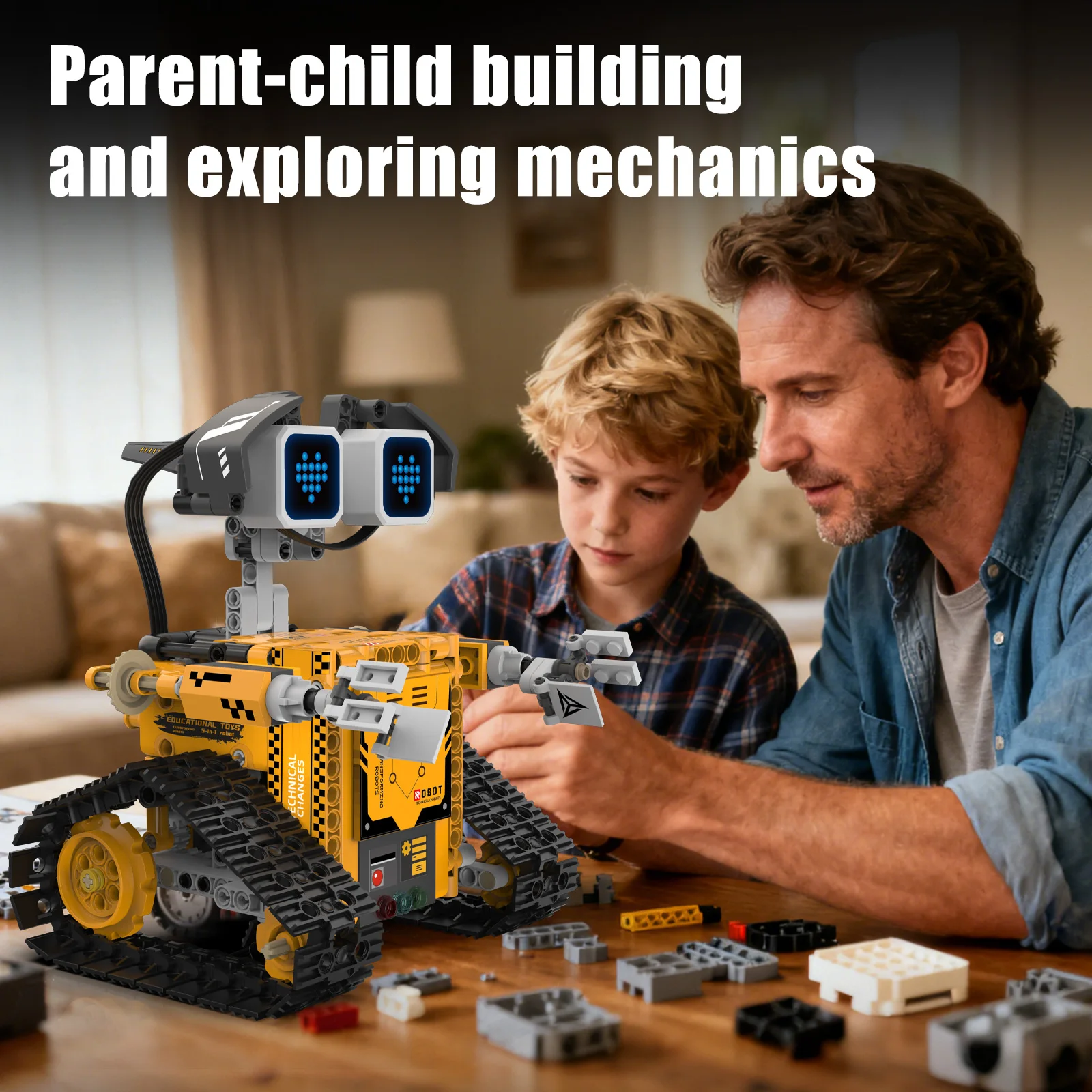
Elementary-aged children benefit from more complex construction kits that introduce engineering concepts. Interlocking bricks, themed building sets, and STEM-focused construction kits challenge them to follow multi-step instructions, plan ahead, and problem-solve. At this age, building blocks transition from pure play to structured learning—perfect for developing critical thinking, patience, and persistence.
Why Building Blocks Matter at Every Stage
Research consistently shows that block play supports cognitive, physical, and social-emotional development. Unlike passive screens, building blocks engage children's hands and minds simultaneously. They encourage creativity, boost spatial reasoning (linked to math and science success), and build confidence through tangible accomplishment.
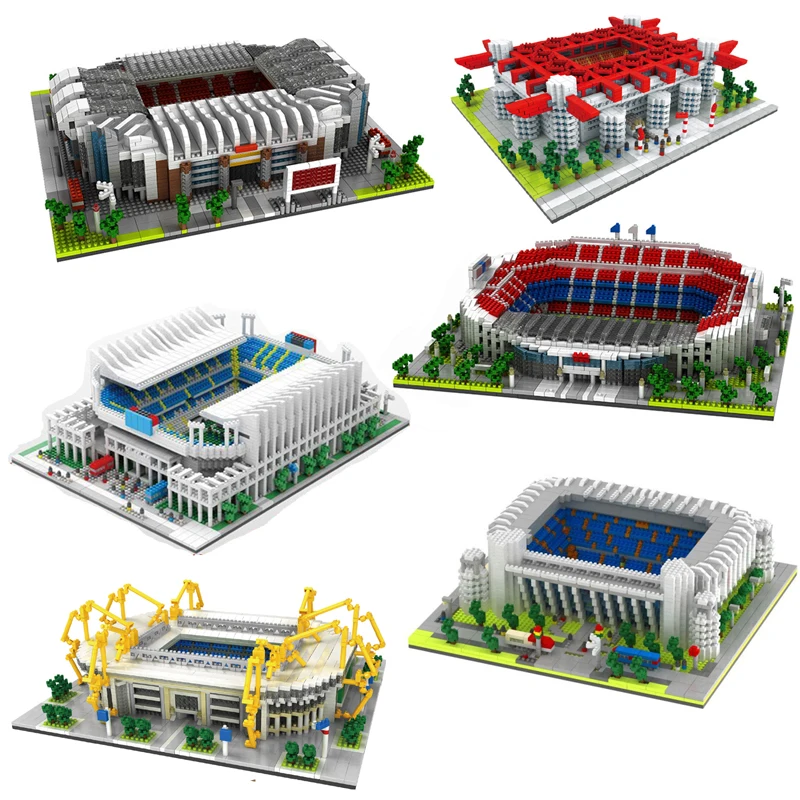
The best part? Building blocks grow with your child. What starts as simple stacking evolves into architectural design and engineering challenges. Investing in quality blocks early means years of educational play ahead.
Choosing the Right Blocks for Your Child
When selecting blocks, consider your child's age and safety. Younger children (under 3) need large, soft, or chunky blocks. Preschoolers can handle standard-sized wooden or plastic blocks. School-age children can tackle specialized STEM kits and more intricate construction systems. Look for durable, well-made blocks that will withstand years of building and passing down to younger siblings.
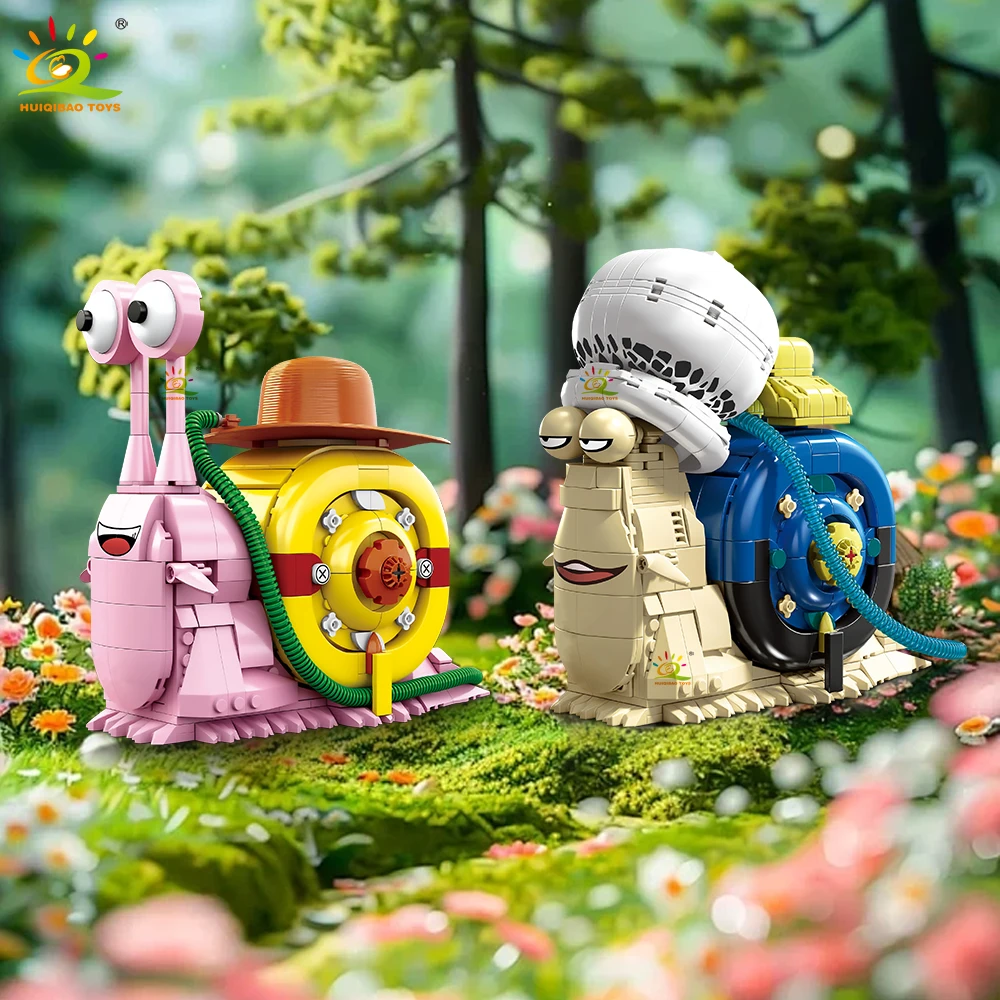
Whether you're looking for a birthday gift, a holiday present, or an everyday learning tool, building blocks remain one of the smartest investments in your child's development. Start whenever your child is ready, and watch their imagination—and skills—grow with every block they place.