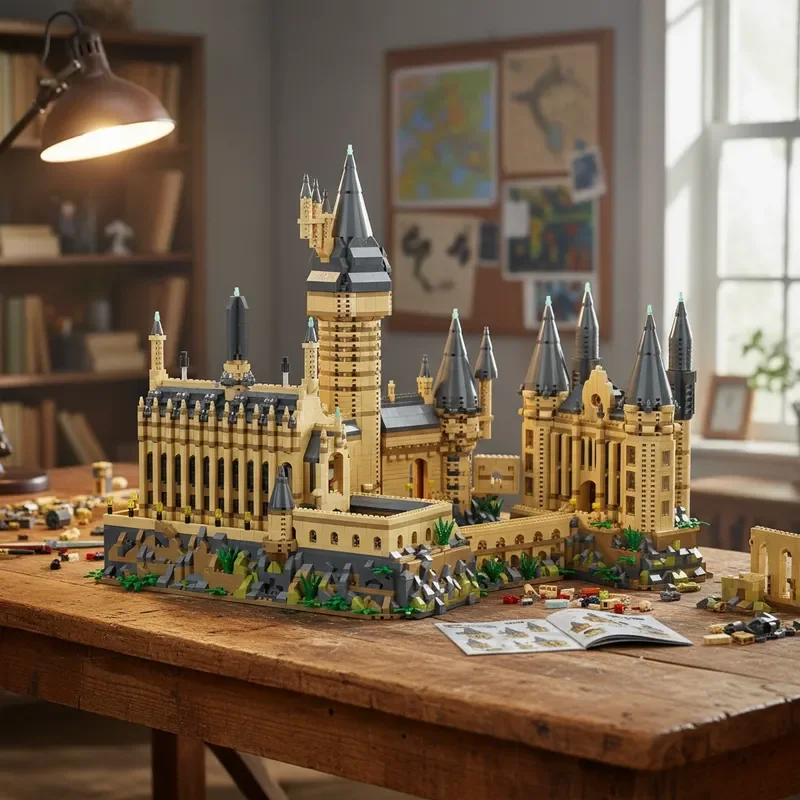
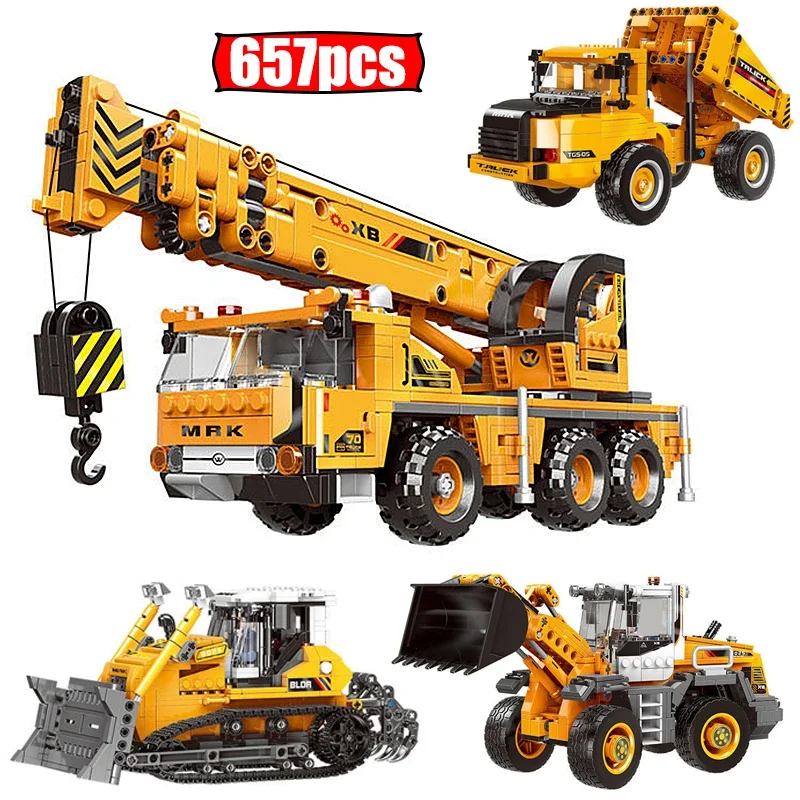
STEM construction kits have become essential tools for fostering curiosity and critical thinking in elementary school children. These hands-on learning toys combine science, technology, engineering, and mathematics in engaging, playful formats that keep kids entertained while developing valuable skills.
Why STEM Construction Kits Matter
Elementary-aged children are at a perfect developmental stage to explore building and problem-solving. Construction kits encourage spatial reasoning, logical thinking, and creative problem-solving—skills that extend far beyond playtime into academic success and future career readiness. When kids build structures and mechanical systems, they're learning physics, architecture, and engineering principles without realizing it.
What to Look for in Elementary STEM Kits
The best construction kits for this age group should be age-appropriate in complexity, feature clear instructions, and allow for both guided building and free-form creativity. Look for sets that include diverse building components—interlocking bricks, connectors, motors, and sensors—to encourage experimentation. Safety certifications and non-toxic materials are essential considerations for any toy you bring home.
Popular Types of Construction Systems
Interlocking brick systems remain classics because they're intuitive and versatile. Kids can build everything from simple structures to complex machines. Modular building systems with motorized components introduce elementary students to basic engineering and mechanics. Framework systems using rods and connectors teach structural principles and are excellent for creating bridges and towers.
Open-Ended vs. Guided Building
The best STEM kits balance both approaches. Guided projects with instruction booklets help children learn specific concepts and build confidence, while open-ended play encourages creative problem-solving. Kits that include both give kids flexibility to follow patterns or create their own designs.
Building Skills That Last
STEM construction kits teach persistence and iteration. Children learn that failed attempts are part of the design process. They develop fine motor skills, hand-eye coordination, and patience as they work through multi-step projects. Most importantly, they build confidence in their ability to solve problems independently.
Choosing Age-Appropriate Kits
For younger elementary students (ages 5-7), look for larger pieces with fewer components and simpler assembly. Middle elementary (ages 7-9) can handle more pieces and moderate complexity. Older elementary students (ages 9-11) are ready for advanced systems with gears, pulleys, and basic circuitry.
Making the Most of Your Investment
Construction kits offer excellent value because they encourage repeated play and learning. Many sets are compatible with each other, allowing you to expand a collection over time. Store pieces in labeled containers to keep sets organized, and rotate kits periodically to maintain interest.
STEM construction kits aren't just toys—they're investments in your child's intellectual development. They make learning tangible, fun, and deeply rewarding for elementary-aged builders.