STEM education has become increasingly important in elementary schools, and construction kits offer an engaging, hands-on way for children to develop critical thinking and problem-solving skills. Whether your child is in kindergarten or fifth grade, there's a construction kit designed to match their developmental stage and interests.
Why Construction Kits Are Perfect for STEM Learning
Construction kits combine the fundamental principles of science, technology, engineering, and mathematics in a format that keeps kids engaged and entertained. As children build structures and mechanisms, they naturally learn about physics, spatial reasoning, and structural integrity. Unlike passive learning, building activities encourage experimentation, failure, and creative problem-solving—essential skills for academic and personal success.
Early Elementary (K-2): Introduction to Building Basics
Younger elementary students benefit most from larger, simpler pieces that are easy to manipulate. Oversized construction bricks with smooth edges and vibrant colors help develop fine motor skills while teaching foundational concepts like balance and stacking. Look for sets that include instruction cards with visual guides rather than complex written instructions.
At this stage, open-ended building is more valuable than following strict blueprints. Allow children to experiment and create their own designs before introducing structured projects.
Mid Elementary (3-4): Adding Complexity and Challenge
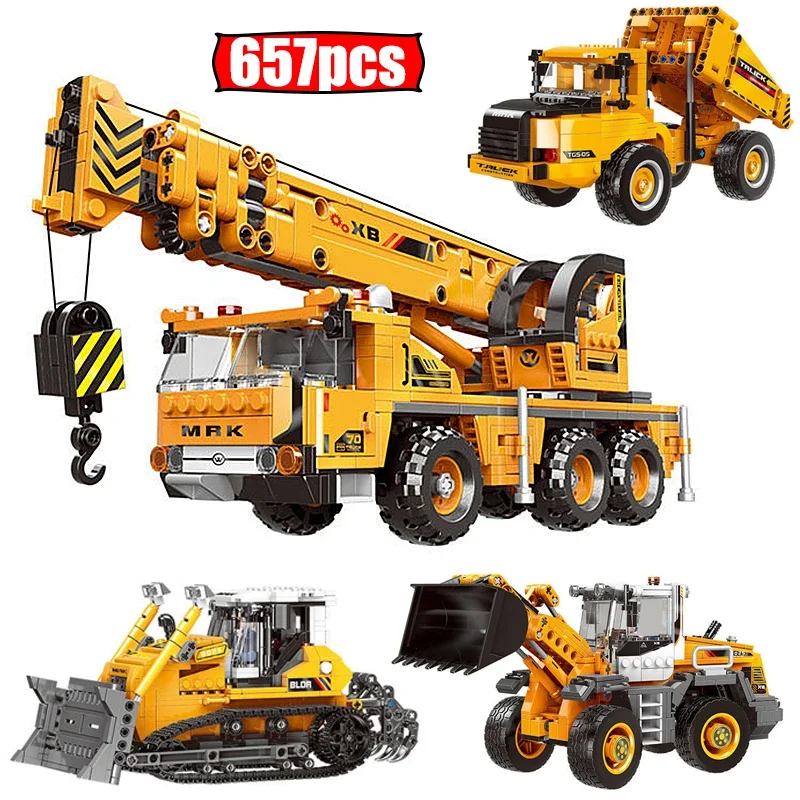
Third and fourth graders are ready for more sophisticated building systems. Construction kits with movable joints, wheels, and basic mechanical components introduce the concepts of motion and simple machines. These kits often include step-by-step instructions that develop reading comprehension and sequential thinking.
This age group benefits from kits that combine building blocks with circuit boards or basic engineering challenges. Projects like creating bridges, towers, or vehicles with specific load-bearing requirements teach real engineering principles in an age-appropriate way.
Upper Elementary (5-6): Advanced Engineering
Fifth and sixth graders can tackle more complex STEM construction kits that incorporate pulleys, gears, and lever systems. Many advanced kits include motorized components and programming elements, introducing coding concepts alongside physical building. These kits often come with detailed instruction manuals that challenge students to understand the "why" behind each design choice.
Key Features to Look For
Age-Appropriate Complexity: Ensure the kit matches your child's current skill level while offering room for growth. Kits that are too simple become boring; kits that are too complex lead to frustration.
Durable Materials: Quality construction kits are built to withstand repeated building, disassembly, and rebuilding. Look for sets made from sturdy plastic or wood that won't break easily.
Comprehensive Instructions: Good kits include multiple project ideas, from guided designs to open-ended building challenges. Visual instructions help younger builders while written instructions develop literacy skills.
Versatility: The best construction kits allow children to follow instructions or create original designs. This flexibility keeps kids engaged longer and encourages creativity.
Storage Solutions: Kits that come with organizing trays or compartments make cleanup easier and teach organizational skills.
Popular Construction Kit Systems for Elementary Ages
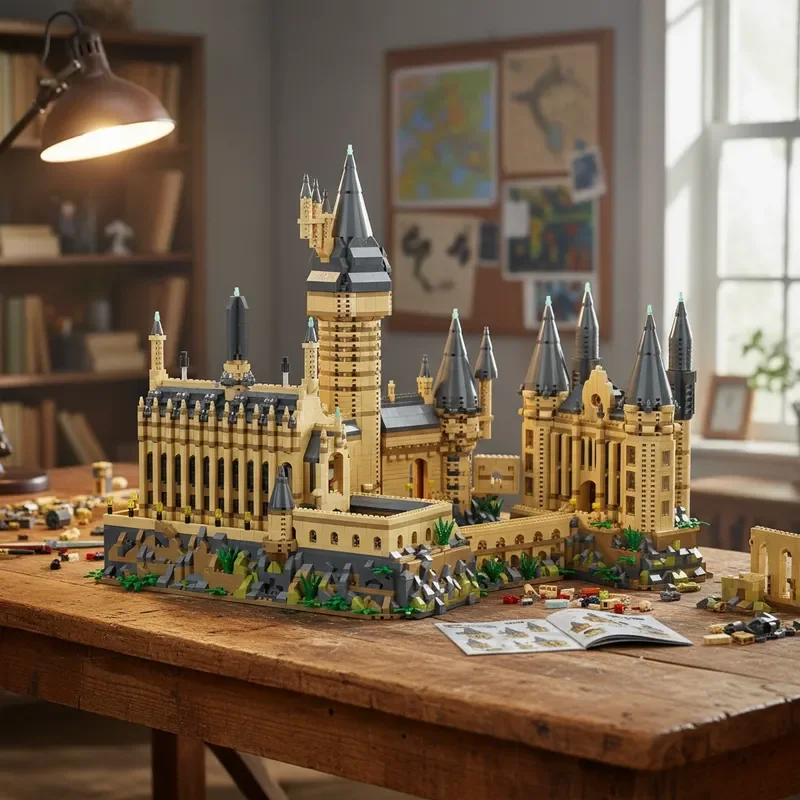
Various construction systems are specifically designed for elementary learners. Interlocking brick systems range from simple stacking options for younger children to complex architectural and engineering sets for older kids. Wooden building blocks offer tactile learning experiences and appeal to various age groups. Magnetic tile systems provide quick, satisfying construction experiences perfect for younger builders. Gear and mechanism sets teach physics principles through hands-on experimentation. STEM robotics kits combine building with coding and programming skills.
Encouraging Independent Learning
The best way to maximize your child's STEM construction kit experience is to encourage independent exploration. Start by providing the kit and letting your child examine the pieces before giving instruction booklets. Ask guiding questions like "What happens if you make this taller?" or "Can you build something that rolls?" rather than directing them to specific solutions.
Celebrate both successful builds and failed attempts, emphasizing that engineering often involves trial and error. This mindset builds resilience and a genuine love of learning.
Making It Social
Construction kits aren't just for individual play. Group building projects develop teamwork and communication skills. Challenge siblings or friends to build the tallest tower, the strongest bridge, or create a cooperative community project. These collaborative experiences enhance the STEM learning while building social skills.
Conclusion
STEM construction kits offer elementary-age children a meaningful way to explore scientific and engineering concepts while having fun. By selecting age-appropriate kits and encouraging both guided projects and creative exploration, you're providing tools that develop critical thinking, problem-solving, and a genuine interest in STEM fields. Whether your child dreams of becoming an engineer or simply loves building, a quality construction kit is an investment in their cognitive development and future success.