STEM construction kits have become essential tools for elementary education, combining hands-on learning with the joy of building. These kits introduce young learners to Science, Technology, Engineering, and Mathematics through engaging, interactive play that keeps children entertained for hours.
Why STEM Construction Kits Matter for Elementary Learners
Construction-based STEM kits develop critical thinking, problem-solving, and spatial reasoning skills that form the foundation for academic success. When children build structures, follow instructions, and experiment with different designs, they're learning valuable lessons about cause and effect, balance, and design principles. Unlike passive entertainment, construction play encourages active engagement and builds confidence through tangible accomplishment.
Key Features to Look For
The best STEM construction kits for elementary ages share several important characteristics. Look for age-appropriate difficulty levels that challenge without frustrating. Kits should include clear, illustrated instructions that young readers can follow independently. Compatibility with standard building blocks or construction bricks ensures versatility and long-term value. Open-ended designs that allow creative freedom—beyond just following the manual—spark innovation and encourage repeated play.
Popular Types of STEM Construction Kits
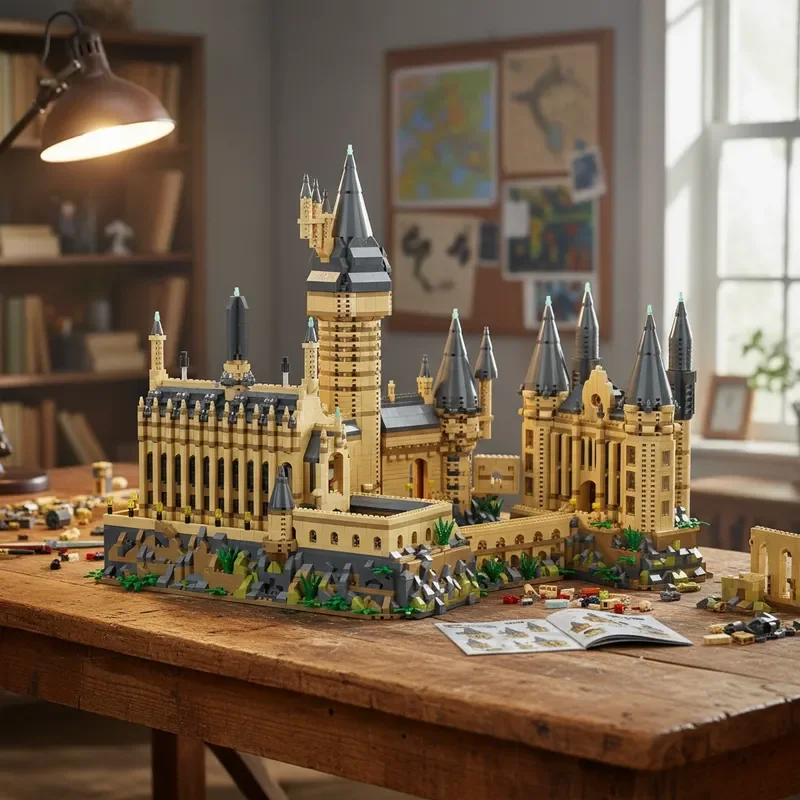
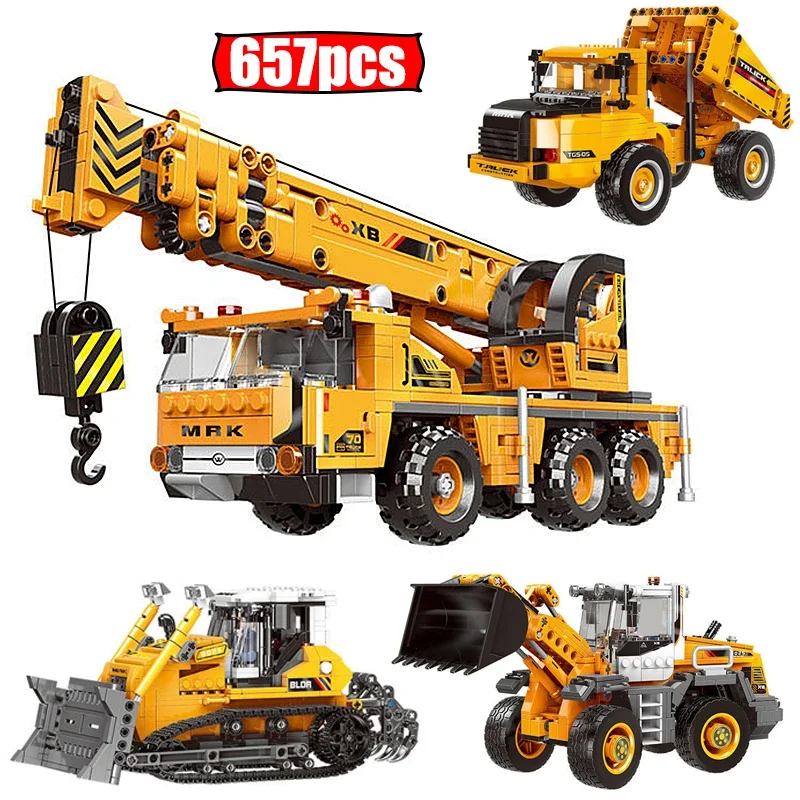
Building block sets remain the foundation of STEM learning, offering unlimited possibilities for structural experimentation. Brick-based engineering kits introduce motors, gears, and simple machines to teach mechanical principles. Bridge-building kits challenge kids to apply physics while creating functional structures. Architecture sets develop spatial awareness and design thinking. Robotics introduction kits combine construction with basic programming concepts.
Age-Appropriate Selection Guide
For younger elementary students (ages 5-7), choose kits with larger pieces, simpler instructions, and fewer components. Mid-elementary learners (ages 7-9) can handle more complex builds and multi-step projects. Older elementary students (ages 9-11) benefit from kits incorporating gears, pulleys, wheels, and basic engineering challenges.
Educational Benefits Beyond the Classroom
STEM construction kits develop fine motor skills, hand-eye coordination, and patience. They introduce mathematical concepts like symmetry, measurement, and geometry naturally through building. Children learn perseverance when troubleshooting failed designs and creativity when inventing new structures. These kits also provide screen-free enrichment in our digital age.
Gift-Giving Ideas
STEM construction kits make excellent gifts for curious kids who love building. They're perfect for holiday shopping, birthdays, and educational rewards. Consider the child's interests—aspiring architects might prefer detailed building sets, while budding engineers may enjoy kits with mechanical components. Many retailers offer variety packs that combine different building systems, providing maximum engagement.
Getting the Most From Your STEM Kit
Encourage children to build both from instructions and from imagination. Create challenges like building the tallest stable tower or designing a bridge to support weight. Store pieces in labeled containers to maintain organization and extend kit longevity. Many construction kits remain engaging for years, serving multiple children or providing fresh building inspiration with each return visit.
STEM construction kits transform playtime into learning time, building foundational skills that serve children throughout their educational journey and beyond. Whether you're a parent seeking meaningful gifts or an educator looking for classroom enrichment, quality construction kits offer proven value for developing young minds.