If you have a box of LEGO bricks from your childhood, you might be wondering: will they work with the new sets your kids are building? The short answer is yes—and that's one of the most remarkable things about LEGO's design. But there's more to the story, and understanding it can help you build a bigger, better collection without breaking the bank.
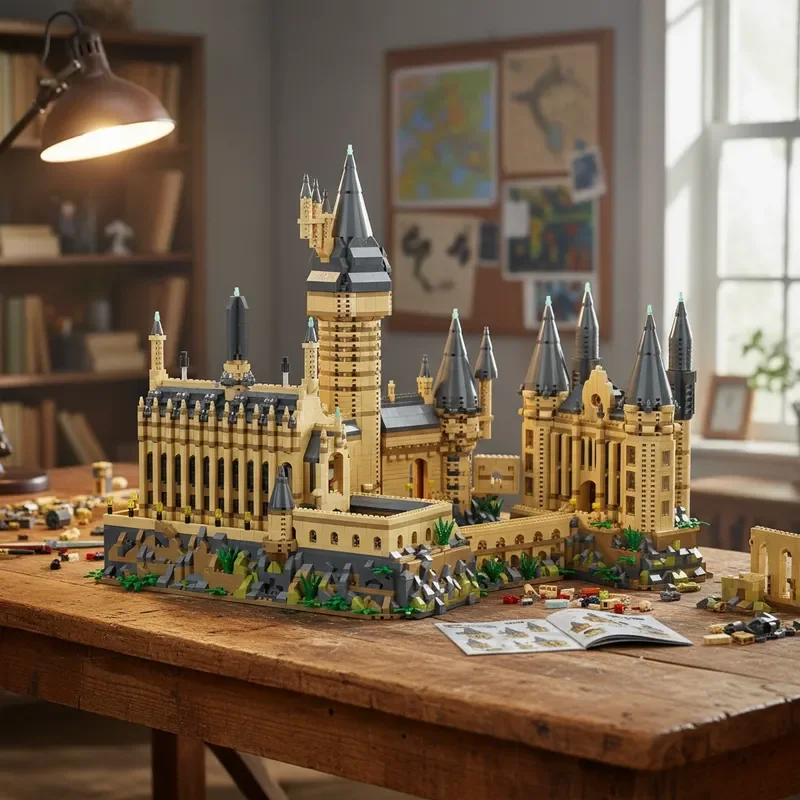
Why Old and New LEGO Bricks Are Compatible
LEGO's compatibility across decades is no accident. Since 1958, when the modern LEGO brick stud-and-tube design was patented, the fundamental dimensions have remained virtually unchanged. This means a red brick from 1975 will snap onto a red brick from 2024 with the same satisfying click.

The genius of this design is the standardized stud diameter (8mm) and the hollow tubes beneath each brick that grip the studs above. This simple, elegant system is why LEGO bricks have become a universal building standard—and why you can confidently mix vintage and new pieces together.
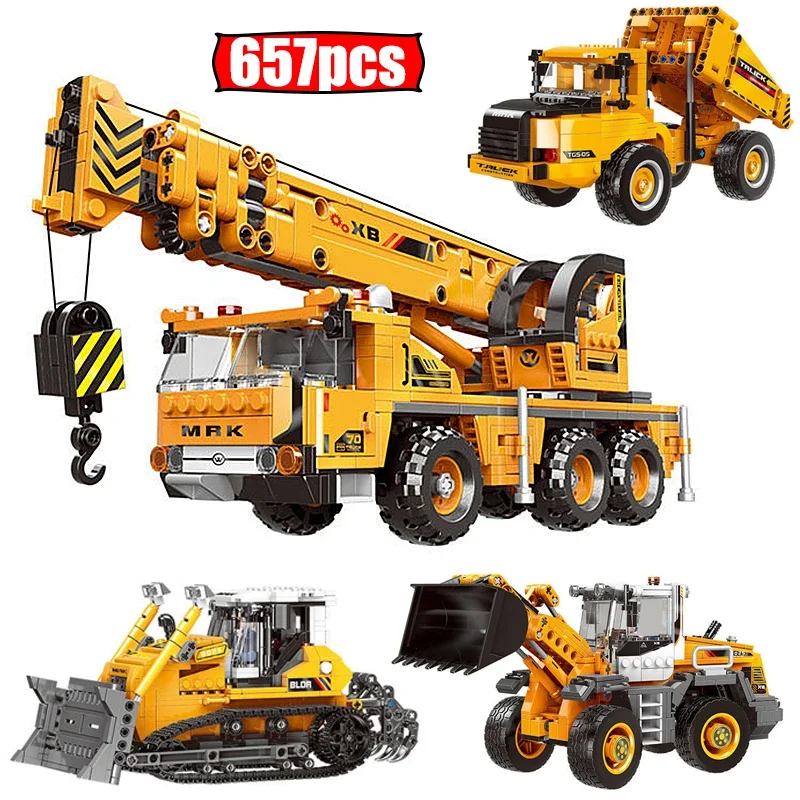
What Has Changed (And Might Not Fit Perfectly)
While core bricks remain compatible, LEGO has introduced variations over the decades that can affect how smoothly pieces connect:
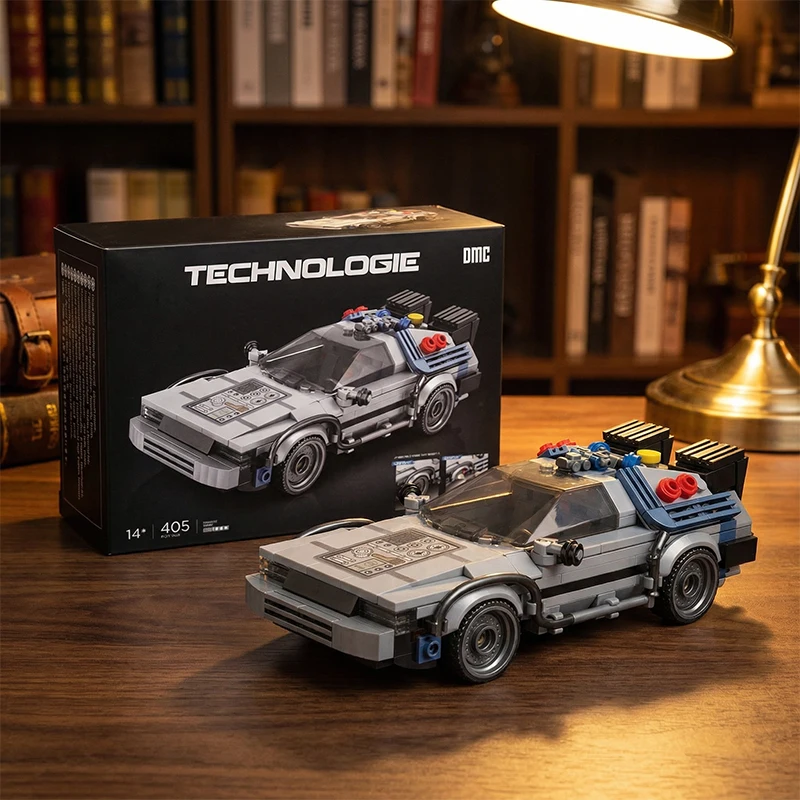
Minifigures and Accessories: Early minifigures have slightly different hand peg sizes than modern ones. Vintage hands may not grip modern accessories perfectly, though they'll usually work reasonably well.
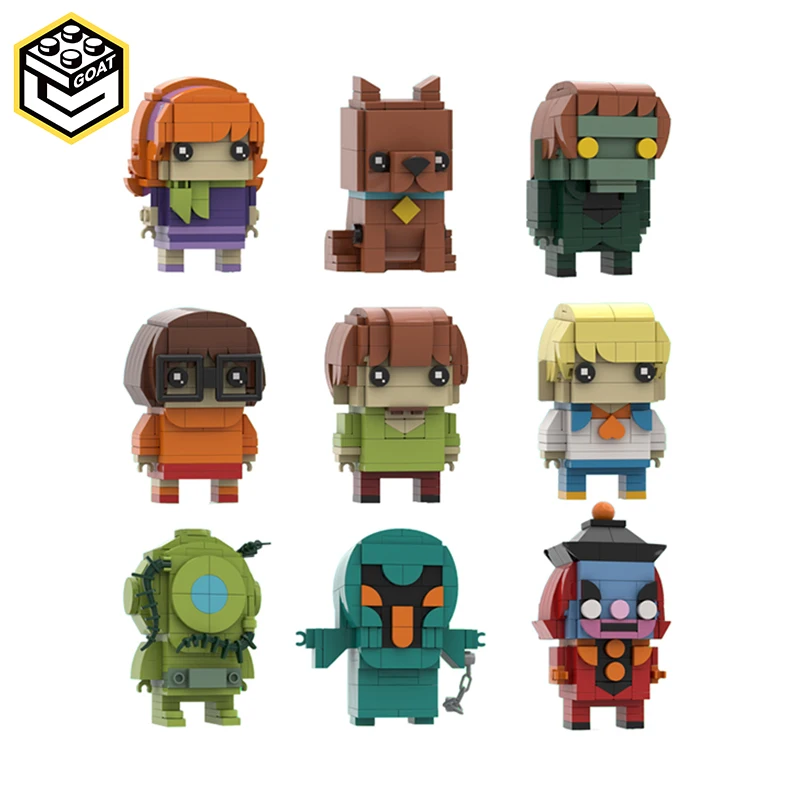
Printed Decorations: Older bricks were decorated with stickers or simple printing. Modern bricks often have detailed, vibrant prints. You won't notice a difference in fit, but your vintage and new sets will have distinctly different visual styles.
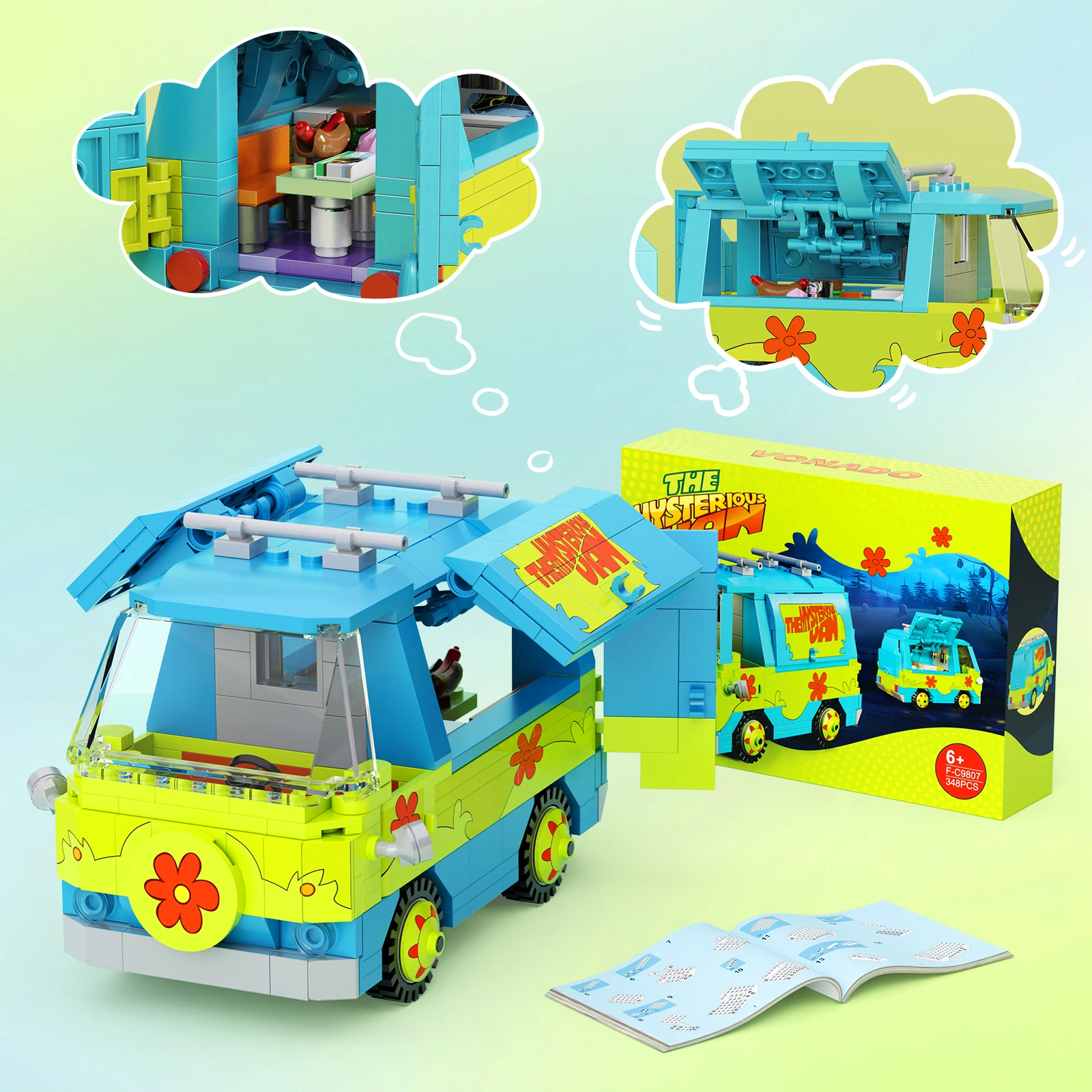
Specialized Pieces: LEGO has created thousands of specialized elements over the decades—wheels, minifigure heads, technic gears, and more. Older versions may not be identical to new ones, but they generally maintain compatibility with the standard brick system.

Plastic Quality: Modern LEGO plastic is slightly more precise and consistent than bricks from decades past. In rare cases, very old bricks might fit slightly looser due to wear or plastic aging, but this is usually unnoticeable.

Why This Makes LEGO Perfect for Gifts
This backward compatibility is a game-changer for parents and gift-givers. You can:
Combine family collections: Hand down your childhood LEGO set to your children and watch them create new combinations with their own pieces. It's a beautiful way to blend generations and spark creativity.
Buy secondhand sets affordably: Many vintage LEGO sets are available on resale markets at a fraction of retail price. Knowing they'll work with modern bricks means you can build impressive collections on a budget—perfect for finding that brick-building gift under $40.
Expand without limits: A single small set can be endless when combined with other pieces. Your child isn't limited to the official instructions; they can build anything their imagination creates.
A Few Tips for Mixing Old and New
Clean before combining: Older bricks may have dust or discoloration. A gentle clean (avoiding harsh chemicals) will help them look better alongside pristine new pieces.
Watch for structural wear: Bricks that have been heavily used for 40+ years might have slightly worn connectors. Test them first, though most will still work great.
Color variations are normal: Plastic fades over time. That old blue brick might be slightly different shade than a new one. This adds character to mixed builds!
Sort by color: If you're combining large collections, sorting by color before building makes the whole experience more enjoyable and organized.
The Bottom Line
Yes, old LEGO bricks still fit new ones. This compatibility isn't just a convenient accident—it's the result of LEGO's commitment to quality and consistency over seven decades. Whether you're resurrecting your childhood collection, buying vintage sets secondhand, or mixing generations of bricks in a single build, you can trust that they'll work together beautifully.
This makes LEGO an investment that grows more valuable with time, not less. Every brick your child receives is part of a universal system that will inspire creativity today, be treasured tomorrow, and perhaps be passed down to grandchildren years from now. That's the magic of LEGO—and it's one of the reasons construction bricks remain the perfect educational gift.