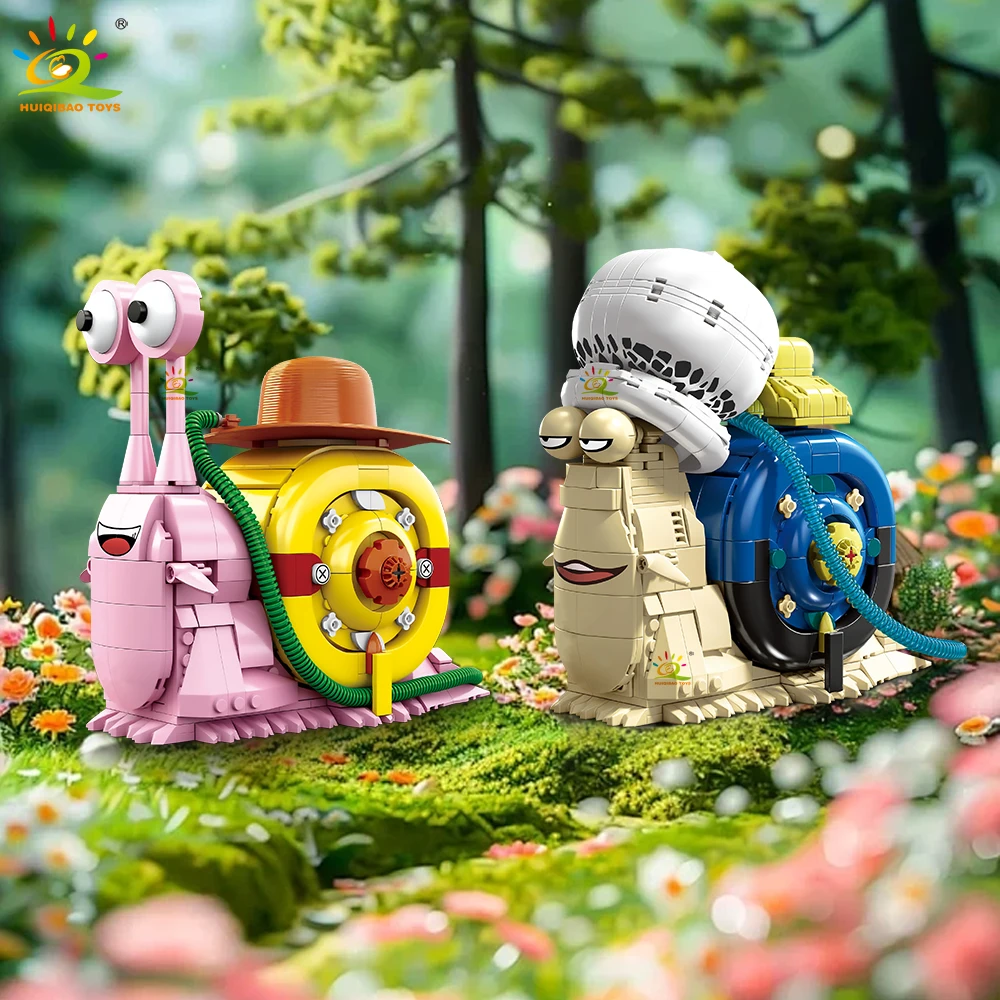
Building blocks have been a staple of childhood play for generations, but their value extends far beyond simple entertainment. In today's educational landscape, construction bricks and compatible building systems are recognized as powerful tools for STEM learning—and they deserve a prominent place in every child's toy collection.
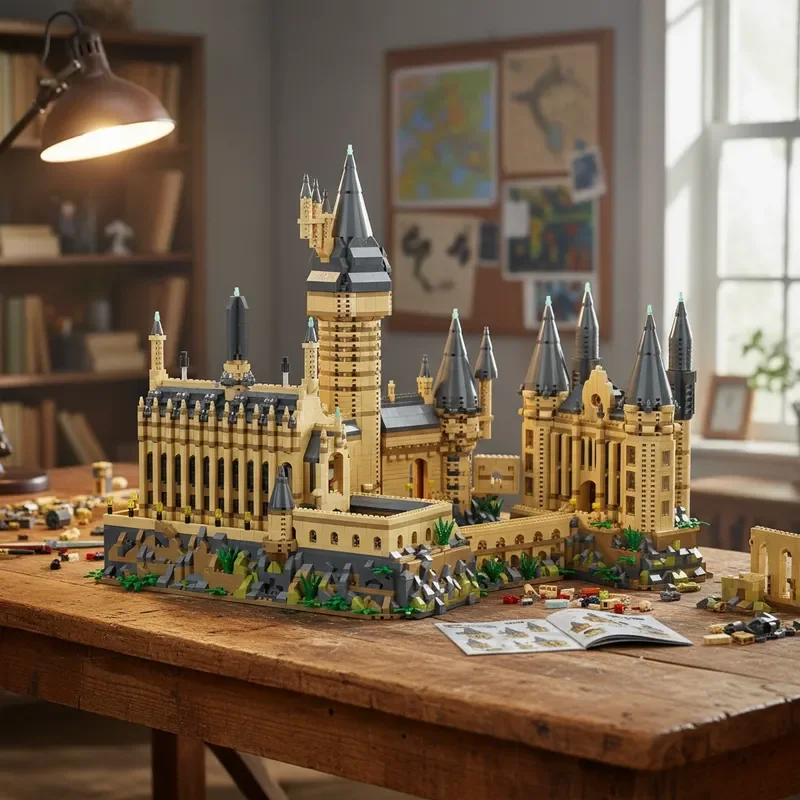
What Makes Building Blocks Essential for STEM?
STEM education focuses on Science, Technology, Engineering, and Mathematics. Building blocks directly engage children in hands-on learning across all four disciplines. When children construct with bricks, they're experimenting with balance and gravity (physics), designing structures (engineering), solving spatial puzzles (mathematics), and testing ideas through trial and error (the scientific method). Unlike passive screen time, blocks demand active thinking and problem-solving.

Engineering Skills Built Block by Block
Every structure a child builds is an engineering project. They learn to visualize designs, plan construction sequences, and troubleshoot failures. When a tower topples, kids naturally ask "why?" and experiment with different base widths, weight distribution, and reinforcement techniques. This iterative design process mirrors real engineering workflows and builds resilience through productive failure—a cornerstone of STEM mindset.
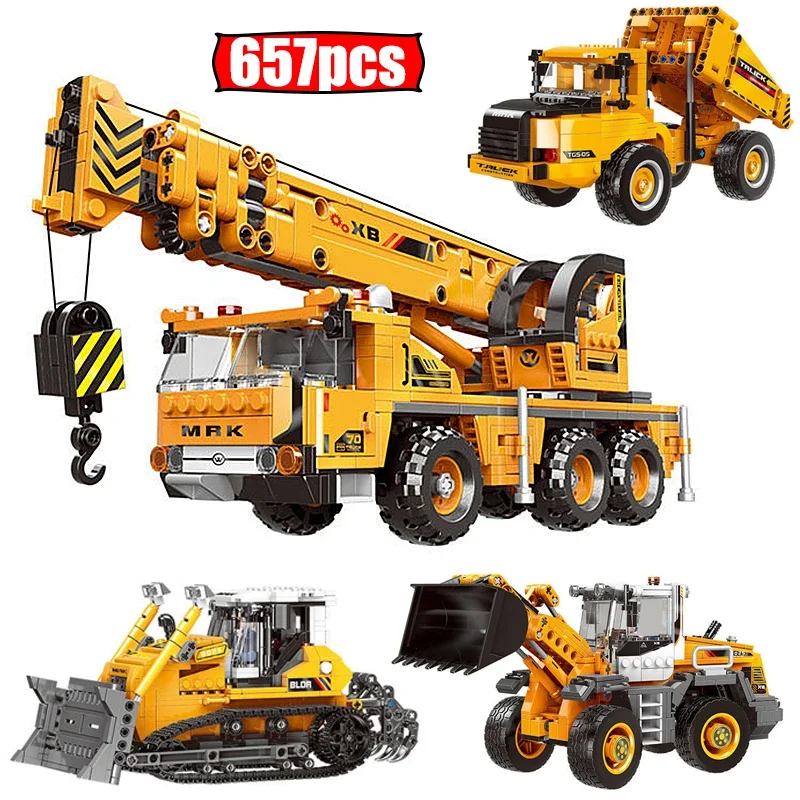
Mathematical Thinking Through Play
Building blocks introduce foundational math concepts organically. Children develop spatial reasoning by fitting pieces together, understanding symmetry through balanced designs, and even grasping early geometry and fractions by comparing block sizes. Counting, measuring heights, and estimating quantities all happen naturally during block play, making abstract math concepts tangible and intuitive.
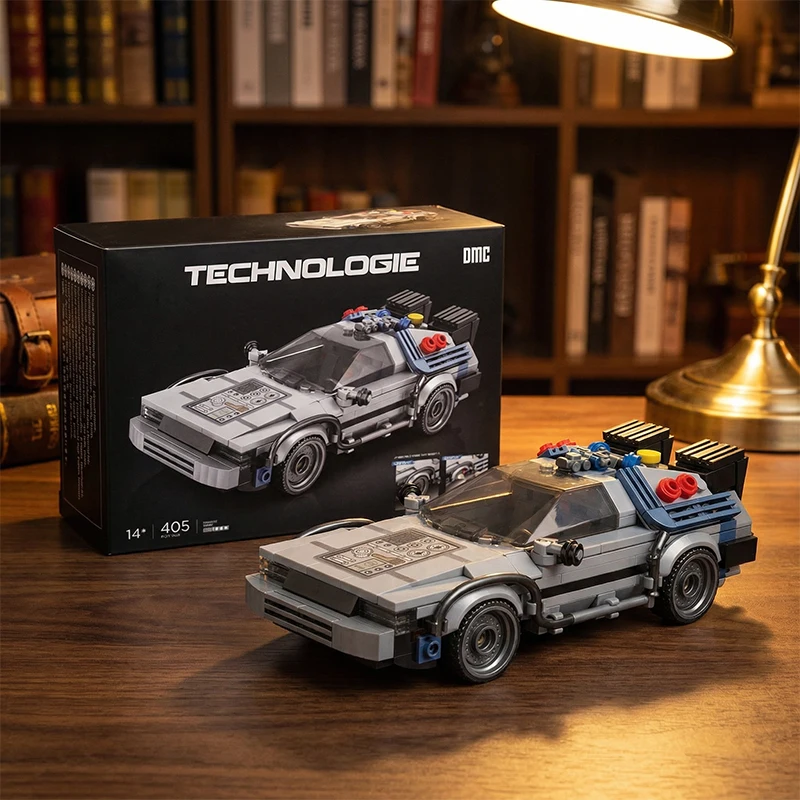
Scientific Exploration and Discovery
When children build, they observe cause and effect directly. How does height affect stability? What happens when you add more weight? Can you build an arch? These questions spark scientific curiosity and encourage experimentation—the heart of science education. Construction kits designed with STEM principles explicitly guide this exploration through challenge-based building projects.

Why Blocks Beat Passive Screens
Unlike tablets and video games, building blocks require active participation. Children must think three-dimensionally, use fine motor skills, and engage in sustained focus. They control the pace, make independent decisions, and experience immediate, physical feedback. This active engagement creates deeper learning and stronger neural connections than passive consumption. Plus, block play naturally encourages creative thinking unbounded by app limitations.
Choosing the Right Building Kits for STEM Learning
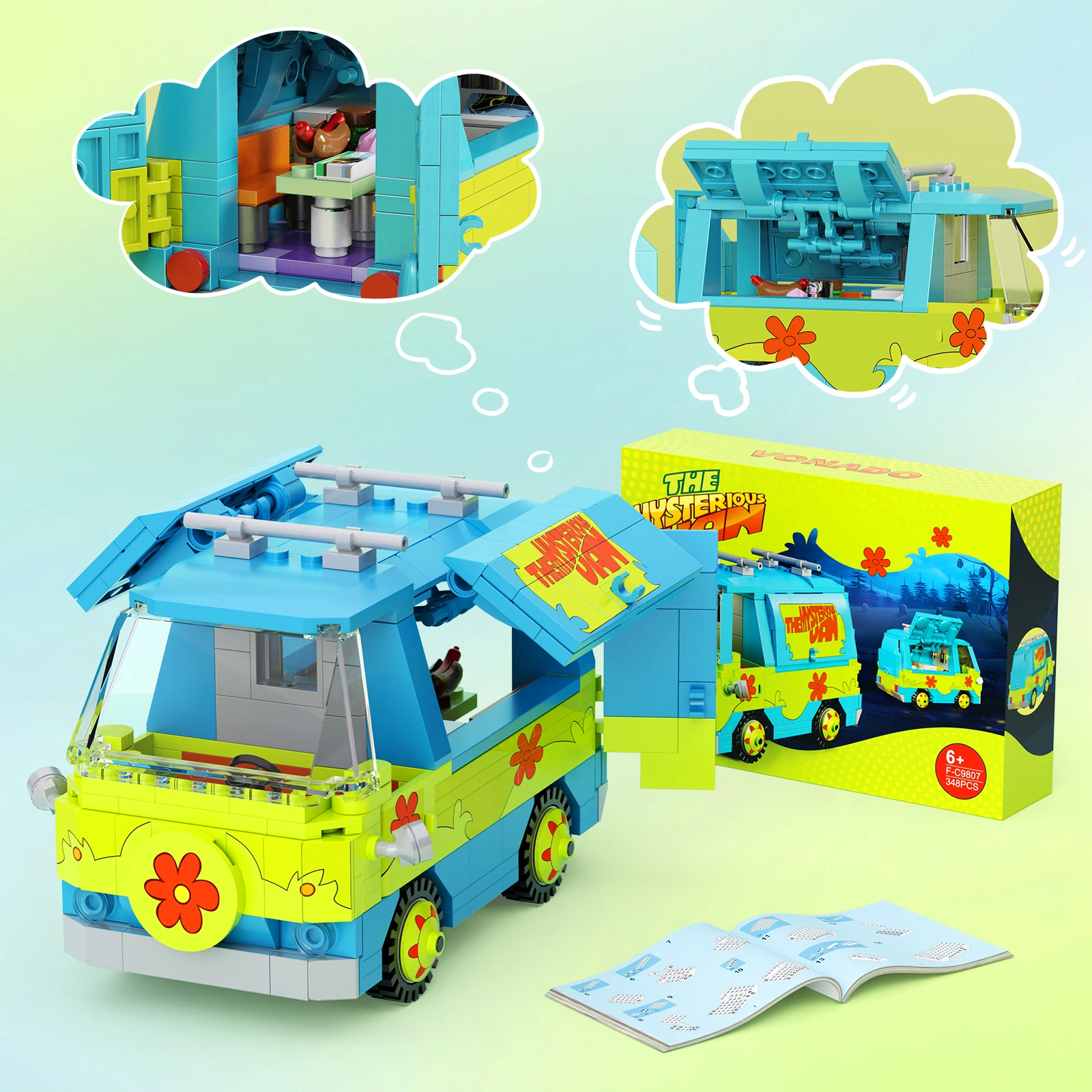
Quality matters. Look for compatible construction systems that offer multiple building possibilities—both open-ended play and guided projects. Kits that include instruction manuals for specific challenges (like "build a bridge that holds this weight") combine creativity with purposeful STEM learning. Many excellent options are available at affordable price points, making premium STEM education accessible to families everywhere.
The Long-Term Impact
Children who engage regularly with construction toys develop stronger problem-solving skills, increased confidence in technical subjects, and a growth mindset. They learn that challenges are opportunities rather than obstacles. These foundational STEM skills and attitudes prepare them for success in advanced mathematics, engineering, computer science, and countless modern careers.
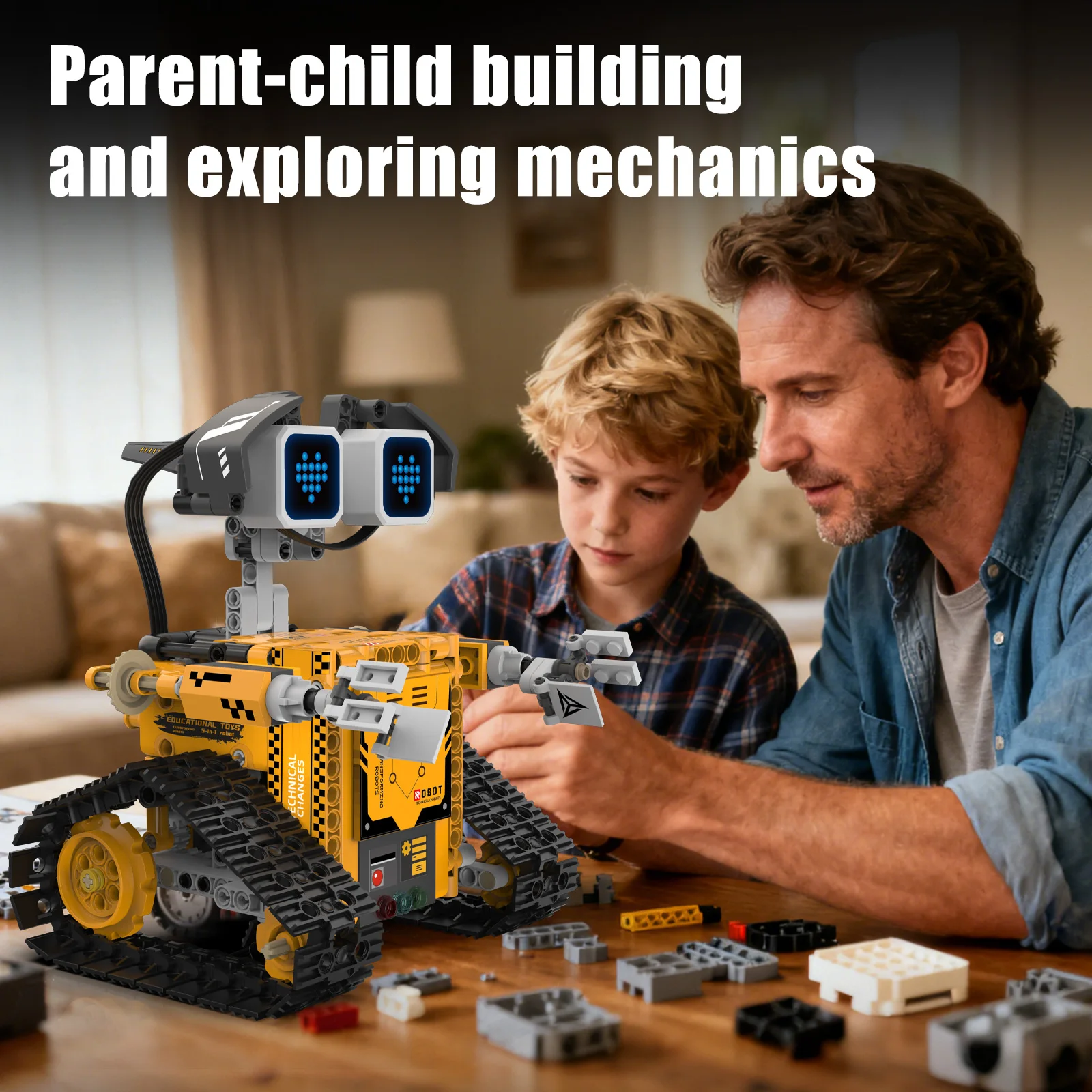
Building blocks aren't just toys—they're investment in your child's STEM future. At Gifts for Angels, we believe the best educational gifts are those that engage curiosity, encourage hands-on exploration, and make learning feel like play. Building blocks do exactly that, one brick at a time.