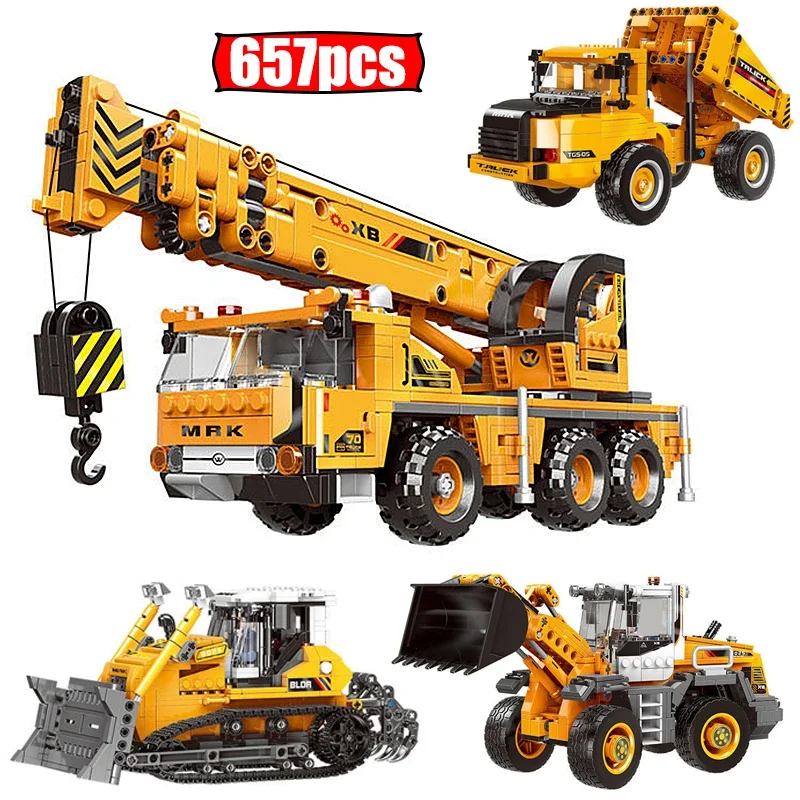
LEGO bricks are famous for their durability, but have you ever wondered just how much pressure a single brick can take? Parents and builders often ask: how high can you really stack LEGO bricks before the bottom one gives way? The answer is both fascinating and reassuring about the quality of these beloved construction toys.
The LEGO Durability Test
LEGO bricks are engineered to handle significant weight. In stress tests, a single standard LEGO brick can support approximately 375 pounds (170 kg) of weight before crushing or deforming. This means you could theoretically stack thousands of bricks vertically before the bottom brick fails.
However, in practical building, structural stability becomes the real limiting factor long before material failure occurs. A tower made of loosely stacked bricks will topple over well before reaching the compression limit of the plastic.
Why Your LEGO Tower Falls Over First
When you're building with LEGO bricks, gravity and balance are your actual enemies, not brick strength. A freestanding tower typically becomes unstable around 8–12 feet tall (depending on brick size and stacking method) because of slight shifts and wobbling. The wider your base and the more secure your connections, the taller you can safely build.
This is actually a wonderful lesson in engineering principles for kids—it teaches that strength isn't just about materials, but about design, weight distribution, and structural integrity.
STEM Learning Through Construction
Building with LEGO bricks naturally introduces elementary-age children to engineering concepts like load-bearing capacity, center of gravity, and material properties. When kids experiment with stacking and balancing, they're conducting their own hands-on physics experiments without realizing it.
This type of active, problem-solving play beats passive screen time because it engages multiple senses, requires critical thinking, and builds spatial reasoning skills that transfer to math and science success in school.
Practical Stacking Tips for Maximum Height
- Use a wide, solid base to distribute weight evenly
- Stack vertically aligned bricks rather than alternating patterns, which reduces stability
- Consider internal supports like cross-bracing for very tall structures
- Test as you build to catch wobbling early
- Build indoors away from air currents that might topple your creation
The Takeaway
LEGO bricks are incredibly strong—far stronger than most builders ever need them to be. The real fun and learning come from understanding the engineering principles that determine how tall and stable your creations can be. Whether you're a parent looking for engaging STEM toys or a builder pushing your skills to the limit, LEGO construction sets offer endless opportunities to explore physics, design, and creative problem-solving.
So go ahead and stack those bricks! You'll run into structural limits long before you damage the plastic—and that's exactly where the best learning happens.