Construction-based STEM kits have become essential tools for elementary education, offering children hands-on learning experiences that build critical thinking, problem-solving, and creative skills. These interactive learning sets transform abstract concepts into tangible, playable projects that keep young minds engaged while developing foundational STEM knowledge.
Why Construction STEM Kits Matter for Elementary Learners
Elementary-aged children (ages 5-11) learn best through experimentation and play. Construction kits provide the perfect medium for this developmental stage. As children snap together bricks, follow building instructions, and create their own designs, they're simultaneously learning engineering principles, spatial reasoning, and persistence. Unlike passive screen-based learning, these tactile experiences create stronger neural connections and improve retention.
Key Skills Developed Through Construction Play
Quality STEM construction kits develop multiple competencies at once. Children enhance fine motor skills while handling small pieces, strengthen mathematical understanding through counting and measurement, and boost engineering literacy by understanding how structures balance and support weight. Additionally, these kits encourage creative problem-solving—when a structure doesn't work as planned, children learn to troubleshoot and iterate, valuable skills for any future STEM career.
What to Look for in Elementary STEM Kits
The best construction kits for elementary ages feature clear instruction manuals with visual step-by-step guides, compatible building systems that encourage modular thinking, and enough complexity to grow with the child. Look for sets that include both structured projects and open-ended building opportunities. Age-appropriate piece sizes are crucial for safety, and durable materials ensure kits withstand years of use.
Popular Construction Kit Categories
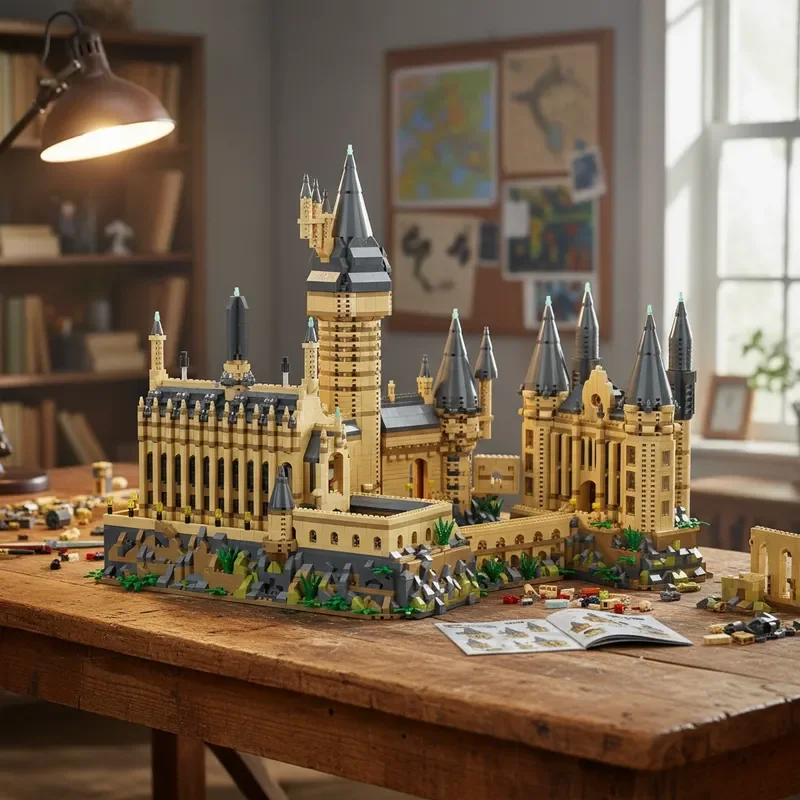
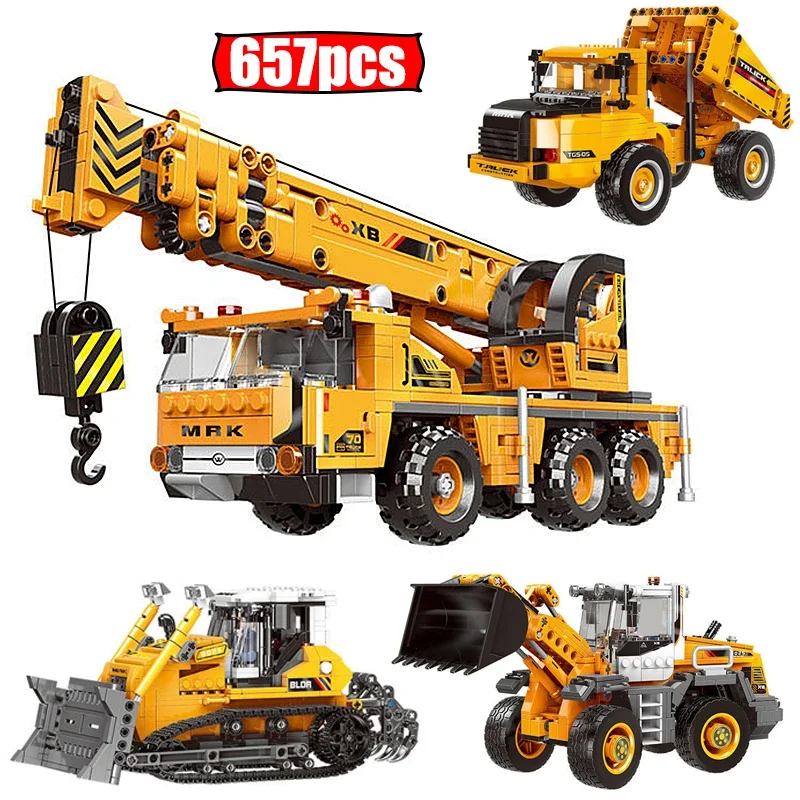
Robotics-focused kits introduce programming basics alongside mechanical building. Architecture sets teach structural design principles and real-world engineering. Vehicle construction kits combine mechanics with creative design. Magnetic building systems work well for younger elementary students, while interlocking brick systems suit older children ready for detailed projects. Gear and machine kits specifically target understanding how mechanical systems transfer and control power.
Integrating Construction Kits Into Learning
Teachers and parents can maximize learning by encouraging children to document their builds through drawings or photos, explaining their design choices, and testing their creations for functionality. Challenge activities—like building the tallest stable tower or creating a structure that holds a specific weight—transform casual play into focused learning experiences.
Budget-Friendly Options for Families
Quality STEM construction kits range from budget-friendly starter sets to comprehensive collections. Consider starting with smaller, focused kits that teach specific concepts, then expanding as your child's interests develop. Many retailers offer value bundles that provide excellent cost-per-piece ratios while maintaining educational quality.
Choosing Between Different Construction Systems
Each construction system offers unique benefits. Interlocking brick systems provide sturdy, detailed models and encourage precision. Magnetic systems work faster for younger builders, promoting rapid iteration. Wooden construction pieces appeal to children preferring natural materials. The ideal choice depends on your child's age, interests, and learning style.
Long-Term Value and Growth Potential
The best STEM construction kits grow with your child. Sets that allow combination, expansion, and creative interpretation provide years of engaging play. As children mature, they can tackle more complex designs, understand advanced engineering concepts, and develop personal building projects that reflect their developing interests.
Construction-based STEM kits represent an investment in your child's educational future—one that delivers immediate enjoyment while building foundational skills for academic success and potential STEM careers. By providing these hands-on learning experiences during elementary years, you're cultivating confident problem-solvers and creative thinkers.