LEGO bricks have been sparking creativity and building dreams for over 70 years. But have you ever wondered what these colorful construction blocks are actually made of? Understanding the materials behind LEGO bricks gives parents insight into the quality, safety, and durability that make them such a beloved choice for educational play.

The Primary Material: ABS Plastic
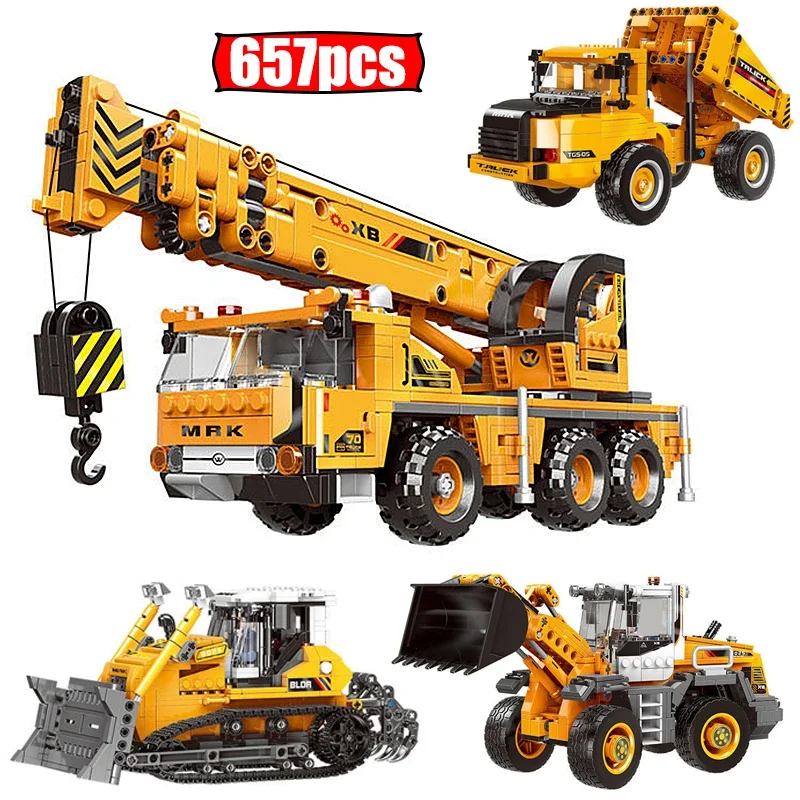
LEGO bricks are primarily made from acrylonitrile butadiene styrene (ABS), a tough engineering plastic. ABS was chosen by LEGO's founders because it's durable, lightweight, and can be molded into precise shapes—essential qualities for construction toys that need to snap together reliably and withstand years of building and rebuilding.

ABS plastic is also food-safe and has been approved for toy manufacturing worldwide, making it an excellent choice for blocks that young children will handle, mouth-test, and play with daily. The material holds its color well and resists the wear and tear of enthusiastic builders.
Why ABS? The Perfect Toy Material
The LEGO Group didn't just pick ABS at random. This plastic has several properties that make it ideal for construction toys:
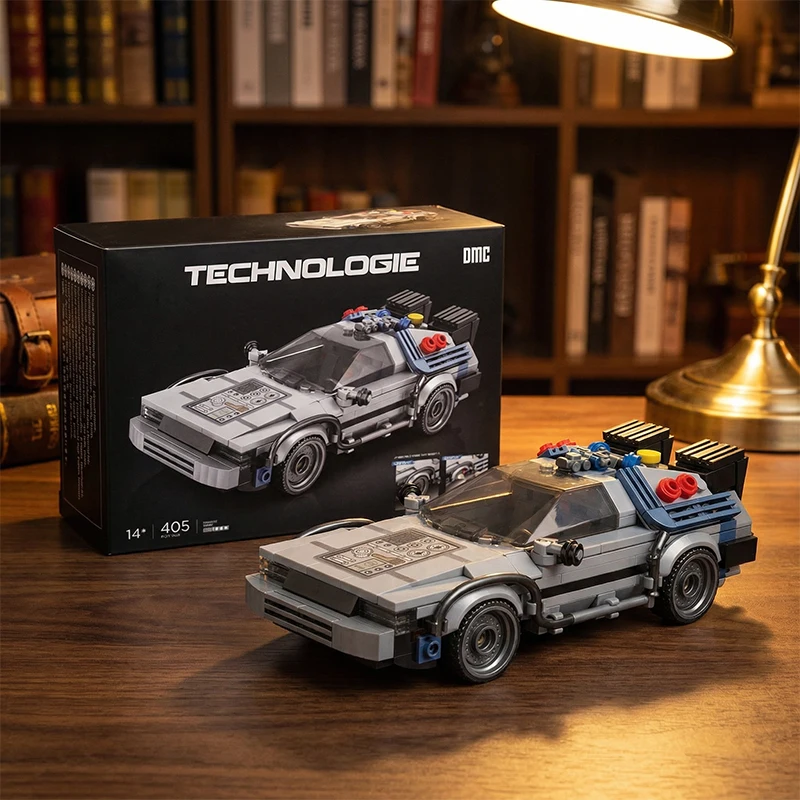
Precision and consistency: ABS can be injection-molded to incredibly tight tolerances, which is why LEGO bricks from different sets and different decades still snap together seamlessly.

Durability: ABS resists cracking and breaking, even when dropped or stepped on—a real-world concern for toys played with by multiple children over many years.
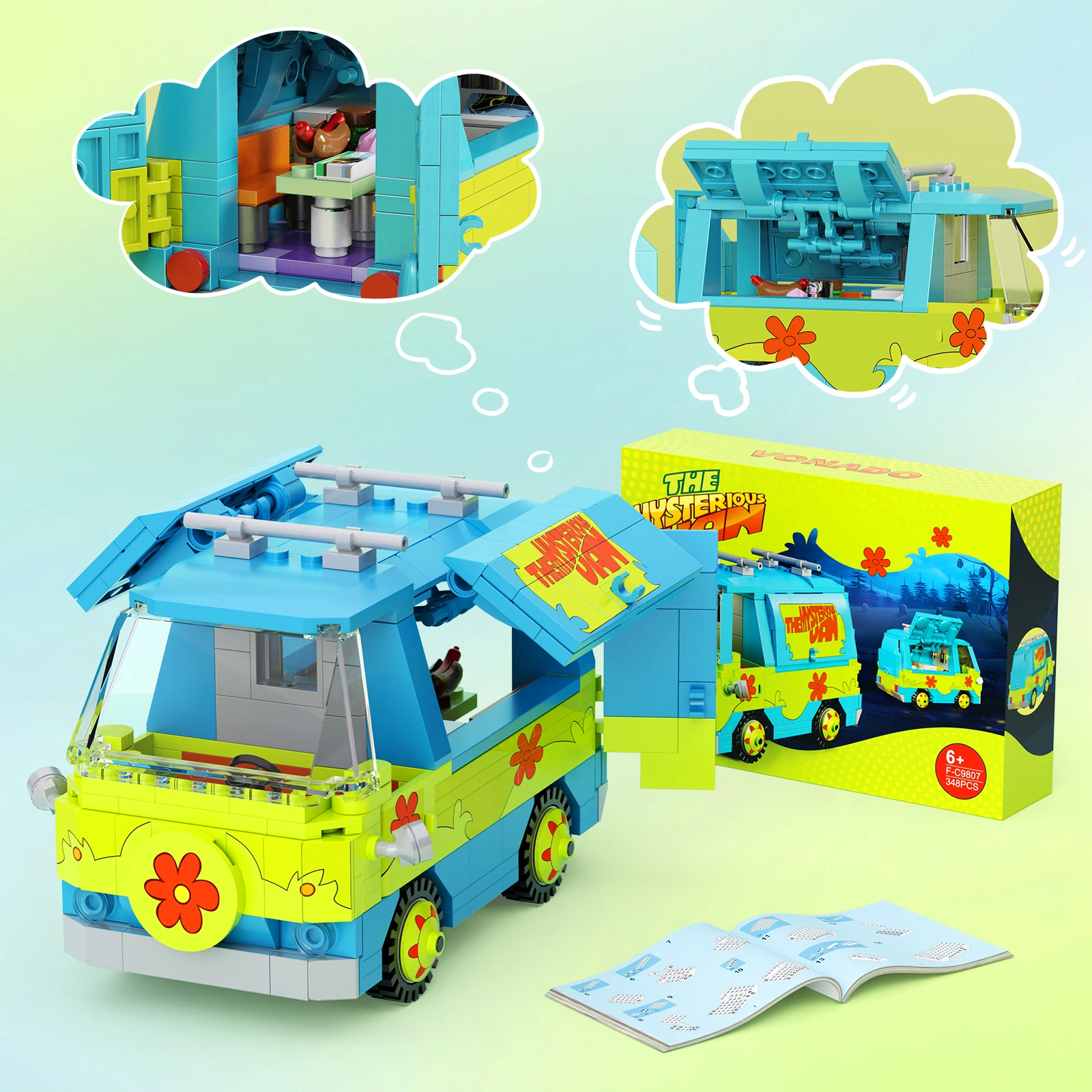
Temperature stability: Unlike some plastics, ABS maintains its structural integrity across a wide range of temperatures, so your bricks work whether you're building in a warm room or a cool basement.

Safe for children: ABS meets strict international safety standards and contains no BPA or phthalates, making it a parent-approved material.

Special Materials in Modern LEGO Sets
While standard ABS remains the core material, LEGO has expanded its material palette in recent years:

Polycarbonate: Used for transparent bricks, this clear plastic allows for windows, domes, and see-through building elements while maintaining the same compatibility and durability as standard bricks.
Rubber elements: Some LEGO sets include rubber tires and flexible components made from different compounds to add realism and variety to builds.
Sustainable alternatives: The LEGO Group has committed to using plant-based plastics for certain elements by 2030, beginning with leaf and plant elements made from sugarcane-based polyethylene.
The Paint and Coloring Process
Those vibrant reds, blues, yellows, and specialty colors don't come from dyeing the plastic itself—LEGO bricks are painted after molding. The paint used is specifically formulated to adhere to ABS plastic and resist chipping, fading, and wear from little hands handling the bricks thousands of times. This paint is also non-toxic and meets all toy safety regulations.
Quality Control and Consistency
One reason LEGO bricks are so reliable is that the manufacturing process is incredibly precise. Every brick is measured and tested to ensure it meets exact specifications. This quality control means that a red 2x4 brick from a set purchased in 2010 will connect perfectly with one from a set you buy today—a promise that would be impossible without careful attention to material quality and manufacturing standards.
Why This Matters for Your Child's Play
Understanding what LEGO bricks are made of helps parents appreciate why these construction toys are worth the investment. Unlike cheaper plastic alternatives that become brittle, discolor, or lose their connection strength, genuine LEGO bricks made from ABS plastic:
Last for years and can be passed down to younger siblings or cousins. Build foundations for STEM learning with reliable, precise materials. Provide safe, tested play that meets international safety standards. Maintain their value—vintage LEGO sets are still sought after because the bricks remain functional and beautiful.
Building With Confidence
Next time you or your child opens a LEGO set, you can appreciate not just the creative possibilities, but also the engineering excellence that makes the bricks work. From the ABS plastic that provides durability and precision to the careful paint application and quality control processes, every LEGO brick is the result of decades of refinement.
Whether you're shopping for Christmas brick-building gifts or exploring STEM construction kits for elementary-age learners, knowing that LEGO bricks are made from high-quality, tested materials is just another reason why these toys beat passive screen time. They're built to inspire, educate, and endure.