If you've ever built with construction bricks, you've likely encountered the name "LEGO." But have you ever wondered what those four letters actually stand for? The answer is a charming piece of design history that perfectly captures the spirit of creative building.
The Origin of the LEGO Name
LEGO comes from the Danish words "leg godt," which translates to "play well" in English. It's a fitting name for a toy system that has inspired millions of children and adults to play, create, and imagine for over 90 years.
The company was founded in 1932 in Billund, Denmark, by Ole Kirk Christiansen. While the name LEGO wasn't officially adopted until 1934, it perfectly encapsulates the company's mission: to encourage quality playtime and creative expression through construction bricks.
Why "Play Well" Matters
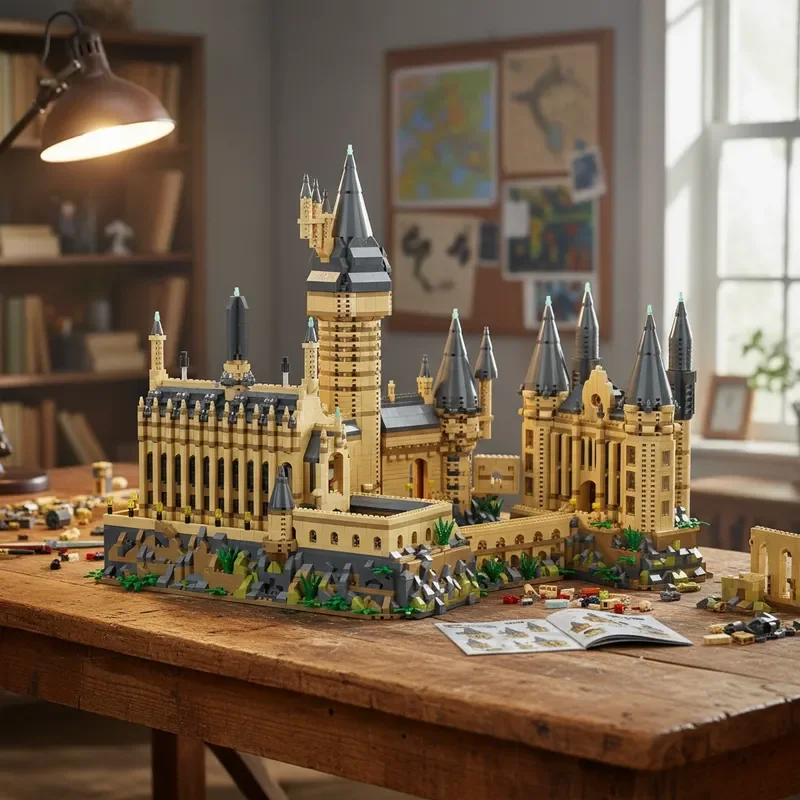
The philosophy behind the name reflects something deeper than just fun. When children engage with LEGO bricks, they're not passively consuming entertainment—they're actively playing, problem-solving, and building. Whether constructing a simple tower or a complex architectural model, kids develop spatial reasoning, fine motor skills, and creative thinking.
This is a key reason why LEGO and similar construction brick systems stand out as educational toys that beat passive screen time. Building requires focus, planning, and hands-on engagement, benefits that screens simply cannot provide.
LEGO as a Standard
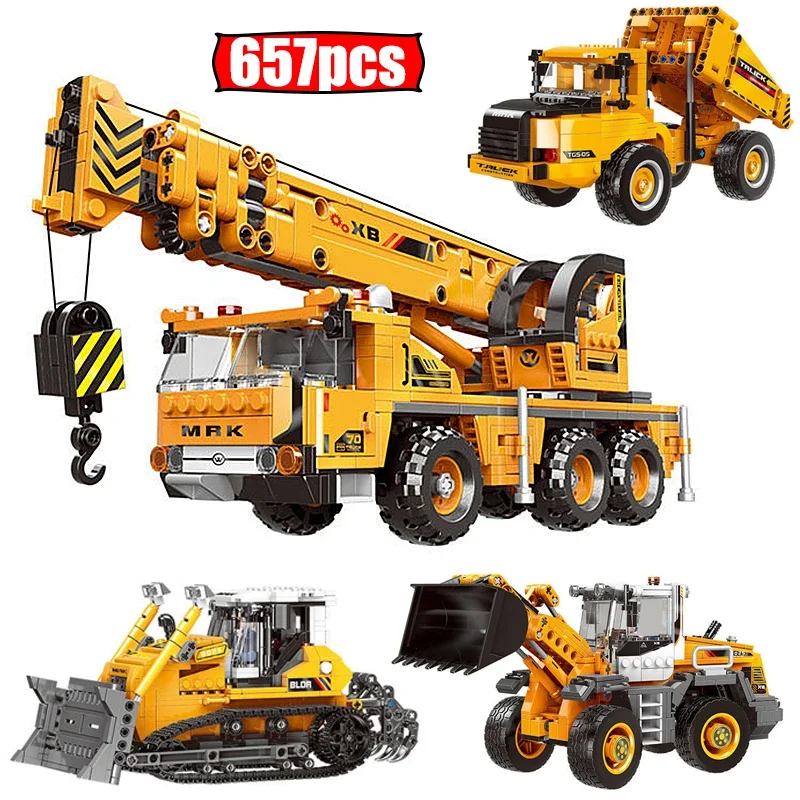
Today, "LEGO" is so iconic that many people use it as a generic term for any interlocking brick building system. However, compatible construction bricks from other manufacturers offer similar play experiences and benefits at different price points. Whether you choose official LEGO sets or compatible alternatives, you're giving children access to the timeless joy of creative building—the true essence of "play well."
This holiday season, as you search for Christmas brick-building gifts under $40, remember that the spirit of LEGO—encouraging imaginative play and hands-on learning—is what makes these gifts so special for elementary-aged children and beyond.