In an age where screens dominate childhood, parents face a constant question: are we making the right choices for our children's development? While tablets and streaming services offer convenience, educational toys—especially hands-on building sets and construction bricks—deliver developmental benefits that passive screen time simply cannot match.
Active Learning vs. Passive Consumption
The fundamental difference lies in engagement. When a child watches a screen, they're receiving information passively. Their brain is in reception mode, processing what's being shown without requiring active problem-solving. In contrast, building blocks and construction sets demand active participation. Children must visualize designs, test hypotheses, and adjust their approach when something doesn't work. This active learning strengthens neural pathways in ways passive viewing never can.
Developing Critical Thinking Skills
Educational construction toys require children to think critically from the moment they begin. How will these pieces fit together? What structure will support weight? Can I improve this design? These questions build logical reasoning and spatial awareness—skills that transfer to math, engineering, and science. Passive screens, by contrast, rarely require this depth of thinking.
Building Fine and Gross Motor Skills
Physical interaction with building blocks develops fine motor control through grasping, placing, and manipulating small pieces. Construction play naturally engages hand-eye coordination and dexterity in ways that swiping and tapping cannot replicate. These tactile experiences are crucial for young children's overall physical development.
Fostering Creativity Without Algorithms
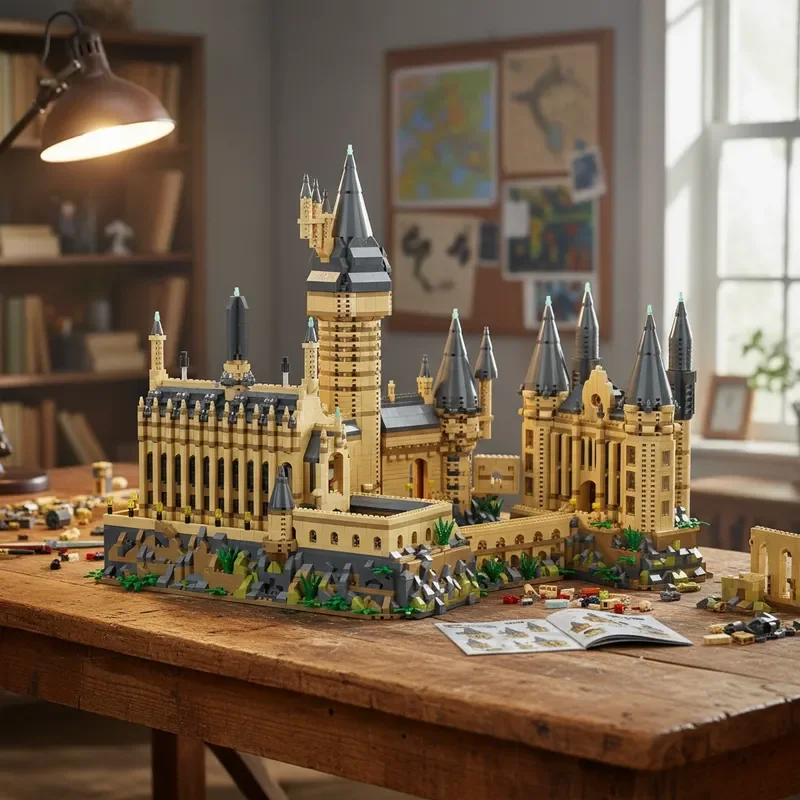
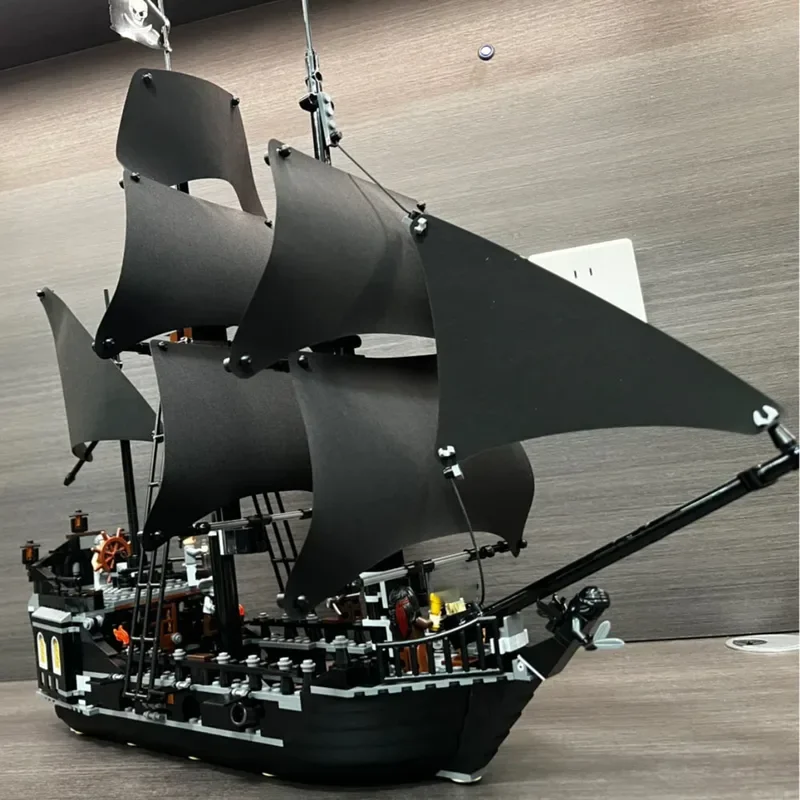
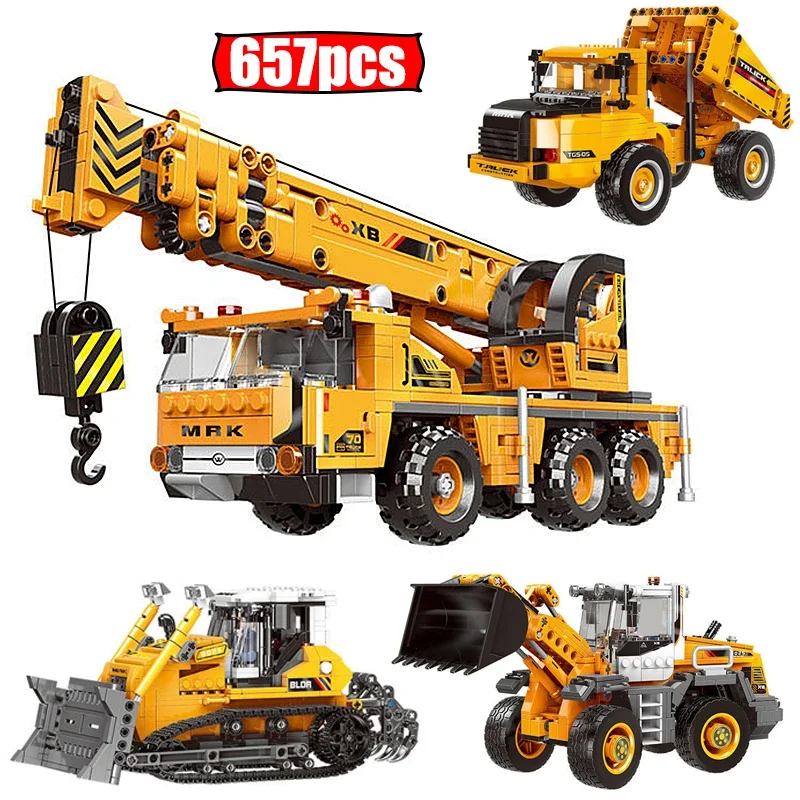
Screens often present predetermined content and limited choices shaped by algorithms. Building blocks offer unlimited creative possibilities. A child's imagination is the only boundary. They can build a castle, a robot, a landscape, or something entirely new—and rebuild it differently tomorrow. This unrestricted creative freedom is fundamental to childhood development.
Social and Collaborative Play
While screens can isolate children, building sets naturally encourage collaboration. Multiple children can work together on a shared project, negotiating ideas, sharing pieces, and celebrating progress. These social interactions build communication skills, empathy, and teamwork—invaluable life skills that screen time doesn't develop.
Sustained Attention and Focus
Educational construction toys naturally hold children's attention for extended periods because they're intrinsically rewarding. Completing a structure or solving a building challenge provides tangible satisfaction. This sustained, self-directed focus is far healthier than the dopamine-driven attention cycles created by screens designed to be addictive.
Reducing Screen Fatigue
Extended screen exposure causes digital eye strain, disrupts sleep patterns, and has been linked to attention disorders in children. Physical play with building blocks provides a necessary break from blue light and screen-induced stress, promoting better overall health and sleep quality.
The Science-Backed Approach
Research consistently shows that hands-on STEM learning with building materials significantly improves academic performance and creative problem-solving abilities. The American Academy of Pediatrics recommends limiting screen time and emphasizing interactive, hands-on play—exactly what educational construction toys provide.
The Balance Forward
We're not suggesting screens have no place in childhood—educational apps and videos can complement learning. However, they should never be the primary tool for development. Building blocks and construction sets offer something screens fundamentally cannot: genuine, active learning that shapes neural development, sparks creativity, and builds real skills.
The choice between screens and educational toys isn't really a choice at all when you consider the developmental science. Hands-on construction play wins—not because it's trendy, but because it's how children actually learn best.