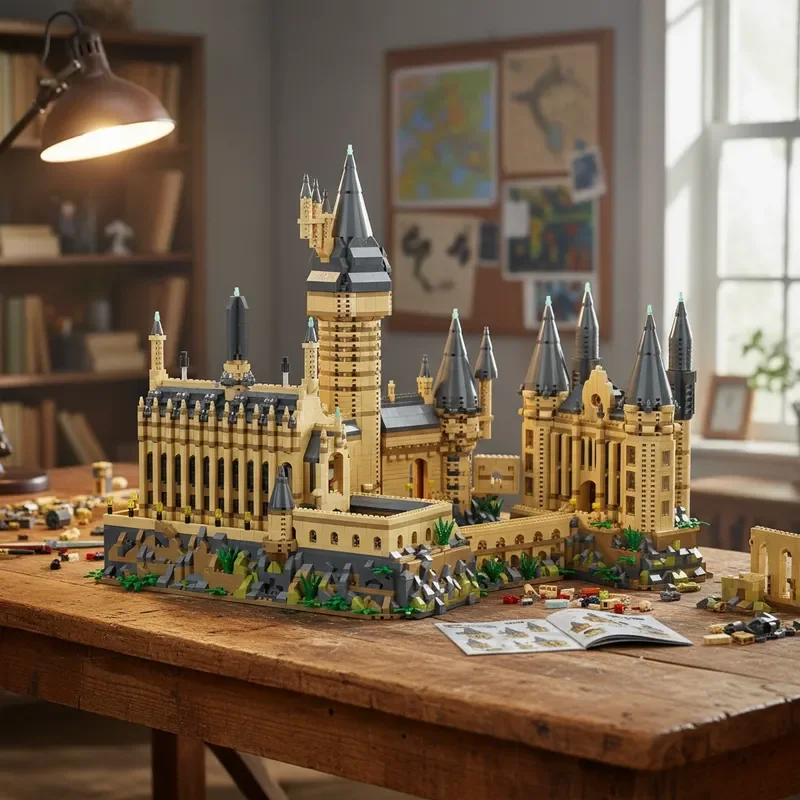
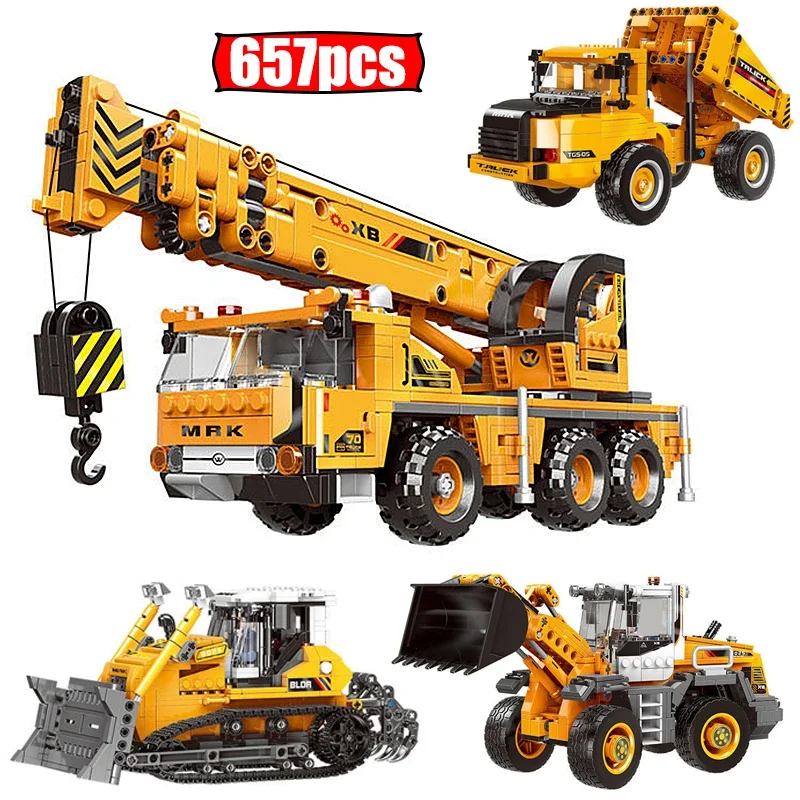
In an age where screens dominate childhood, the case for hands-on educational toys has never been stronger. While digital entertainment offers convenience, building blocks, construction sets, and STEM toys provide developmental benefits that passive screen time simply cannot match.
Active Engagement vs. Passive Consumption
When children play with construction bricks and building blocks, they're actively problem-solving, creating, and making decisions. Every structure they build requires planning, spatial reasoning, and creativity. In contrast, passive screen time is largely one-directional—children receive information without the critical thinking that comes from hands-on experimentation.
Fine Motor Skill Development
Manipulating building blocks strengthens hand-eye coordination and fine motor skills in ways tablets cannot replicate. Grasping, connecting, and balancing construction pieces builds the precise muscle control children need for writing, drawing, and everyday tasks. These tactile experiences create neural pathways that support long-term physical development.
Lasting Focus and Attention
Educational toys encourage sustained concentration. A child absorbed in constructing an elaborate structure is naturally focused for extended periods. This deep play builds attention span more effectively than quick-cut video sequences designed to grab attention momentarily.
Social and Emotional Growth
Building blocks invite collaboration. Multiple children working on a shared project develop communication, negotiation, and teamwork skills. Screens, by their nature, often isolate users. Shared toy play builds emotional intelligence and social bonds that are foundational to healthy development.
Creativity Without Limits
Construction sets and STEM toys have open-ended possibilities. A box of bricks can become a castle, a robot, a bridge, or whatever a child imagines. Digital content, even interactive apps, typically offer predetermined pathways. True creative freedom comes from physical play.
Screen Time Concerns
Research increasingly links excessive screen time to sleep disruption, eye strain, and reduced physical activity. Educational toys promote active play that supports better sleep, healthier eyes, and the movement children's growing bodies need.
Making the Balance
This doesn't mean eliminating screens entirely. Rather, prioritizing educational toys as the foundation of playtime, with screen time as an occasional supplement, creates the healthiest development path. The combination of building blocks, construction sets, and thoughtful STEM toys offers children the best of both worlds—technology literacy without sacrificing hands-on learning.
When choosing toys, look for those that challenge problem-solving, invite creativity, and encourage active engagement. Your child's brain will thank you.