In an age of endless digital entertainment, educational toys offer something screens simply cannot: active engagement that transforms playtime into meaningful learning. While passive screen time has its place, hands-on toys—especially construction sets and building blocks—deliver developmental benefits that passive viewing can never match.
The Science Behind Active Play
When children engage with physical toys, their brains activate multiple neural pathways simultaneously. They're problem-solving, developing fine motor skills, and exercising creativity all at once. Research consistently shows that hands-on play strengthens cognitive development, spatial reasoning, and executive function in ways that watching screens cannot replicate. A child stacking blocks isn't just playing; they're experimenting with physics, balance, and cause-and-effect relationships.
Screen Time: Passive vs. Active Learning
Passive screen consumption is exactly that—passive. Children receive information without processing it deeply or applying it practically. Even educational apps lack the tactile feedback and real-world problem-solving that physical play provides. When a child builds a structure with blocks, they immediately see results, learn from failures, and iterate their designs. This hands-on feedback loop accelerates learning in ways screens struggle to achieve.
Building Blocks: The Gold Standard of Educational Play
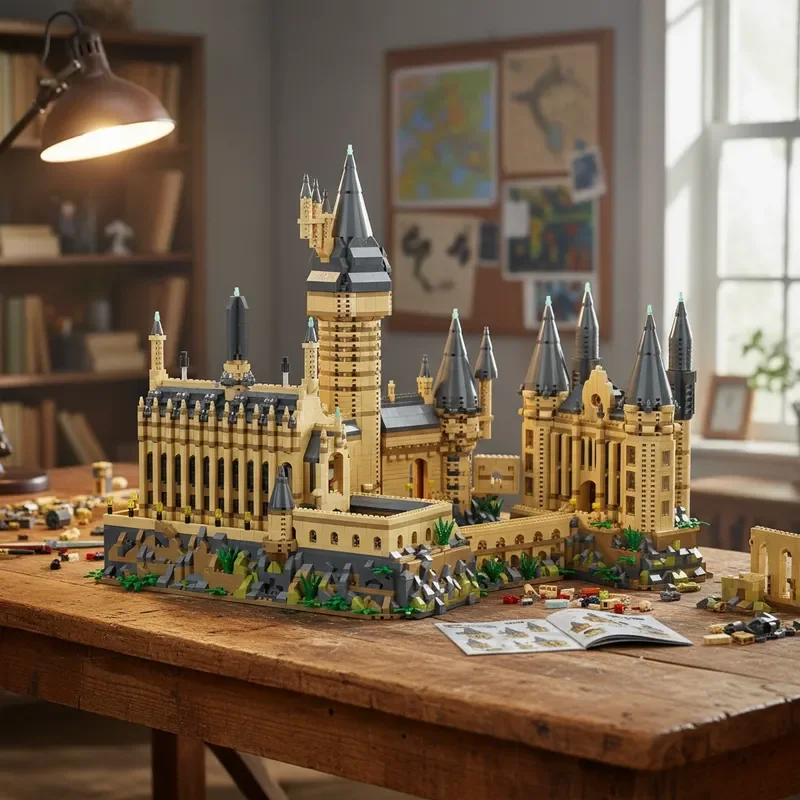
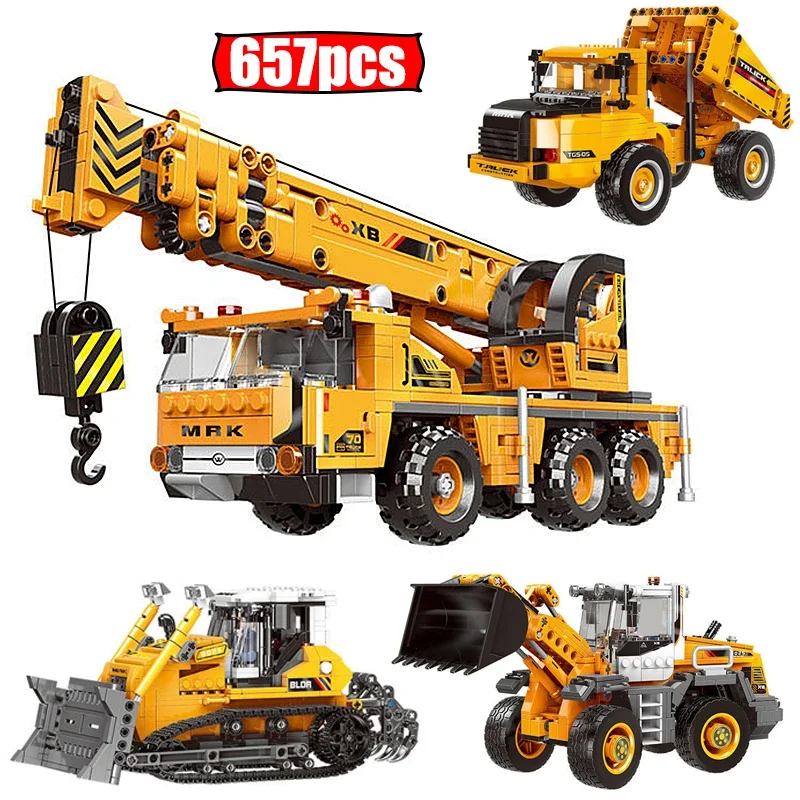
Construction bricks and building block sets are among the most effective educational toys available. They encourage:
• Spatial awareness: Understanding how objects fit together in three-dimensional space
• Engineering thinking: Planning designs, testing stability, and troubleshooting failures
• Creativity: Open-ended play with no single correct answer
• Fine motor development: Precise hand-eye coordination and dexterity
• Social skills: Collaborative building projects with siblings or peers
Screen Time Concerns
Extended passive screen use is linked to reduced attention spans, decreased physical activity, and limited creative thinking. Children become consumers of content rather than creators. Educational toys flip this dynamic: children become inventors, architects, and engineers of their own experiences.
The Perfect Balance
We're not suggesting screens have no educational value. Rather, the goal is balance. Educational toys should form the foundation of a child's play, with screens as a supplementary tool. A child who spends two hours building with blocks and thirty minutes watching a construction-themed video learns more than one who spends all their time in front of a screen.
STEM Learning Through Toys
Building block sets are natural STEM learning tools. They teach science (structure and physics), technology (engineering solutions), engineering (design and building), and mathematics (geometry, measurement, and counting) through pure play. This integration of subjects mirrors how real-world problems are solved—holistically rather than in isolated academic silos.
Building Independence and Confidence
Passive screens rarely build genuine confidence. Educational toys do. When a child successfully completes a challenging build, they've accomplished something real. They've overcome obstacles, iterated on ideas, and created something tangible. This builds resilience and a growth mindset far more effectively than watching someone else's accomplishments on screen.
Make Educational Toys Your Foundation
Whether you're shopping for birthday gifts, holiday presents, or everyday enrichment, prioritize hands-on educational toys. Building blocks, construction sets, and STEM-focused toys offer unmatched developmental benefits. These tools don't compete with screens—they complement them by ensuring children spend their most valuable learning hours in active, creative, purposeful play.
The best gift you can give a child isn't the latest gadget; it's the opportunity to build, create, and learn with their own hands.