In an age where screens dominate childhood entertainment, parents are increasingly questioning whether passive screen time truly serves their children's development. The answer is becoming clearer: hands-on educational toys offer cognitive, social, and emotional benefits that passive screen consumption simply cannot match.
Active Engagement vs. Passive Consumption
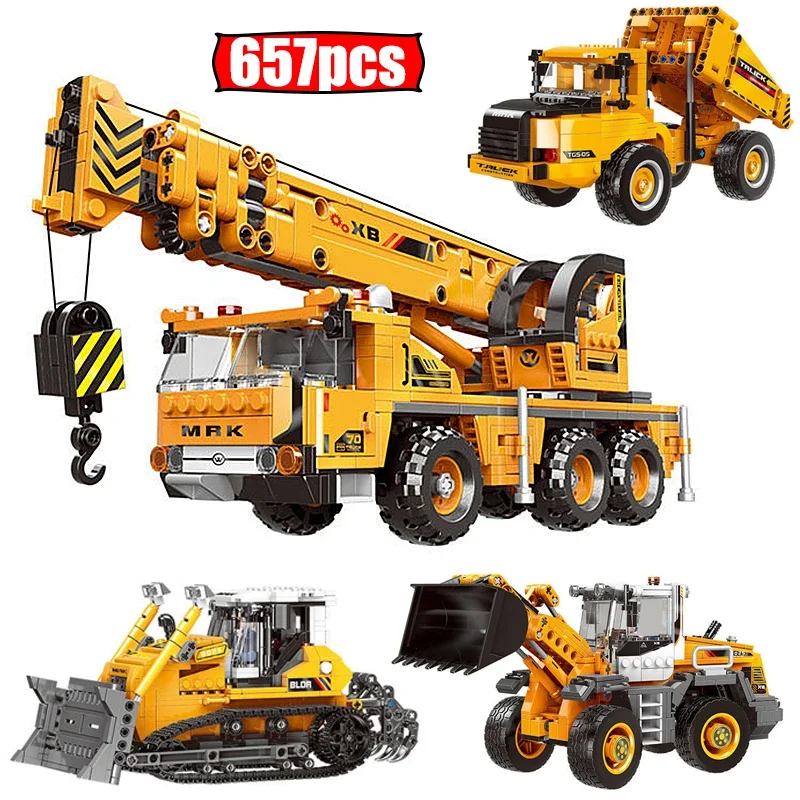
When children play with construction bricks and building blocks, they're not just being entertained—they're actively problem-solving. They decide how to balance structures, which pieces fit together, and how to bring their creative vision to life. This active engagement stimulates neural pathways in ways passive screen viewing doesn't. Research in developmental psychology consistently shows that hands-on play strengthens executive function, spatial reasoning, and critical thinking skills.
Building Real-World Problem-Solving Skills
Educational building toys teach children how to experiment, fail, and adapt. When a tower topples or a design doesn't work as planned, kids learn resilience and iteration—fundamental skills for academic and professional success. Screens, by contrast, offer predetermined outcomes that require minimal real-world adaptation.
Social Development Through Play
Construction brick sets encourage collaborative play. Children negotiate, share ideas, and work toward common goals when building together. This develops communication and social skills that screen time cannot replicate. Even solitary play with building blocks fosters independence and self-directed learning.
Fine Motor and Spatial Skill Development
Manipulating small pieces, connecting blocks, and constructing three-dimensional structures builds fine motor control and spatial awareness. These foundational skills support later academic achievement in mathematics, engineering, and design. Screen interaction, while offering some benefits, doesn't provide the same tactile, proprioceptive feedback.
Screen-Free Learning for STEM Excellence
While digital tools have their place in STEM education, physical educational toys provide the foundation. Building blocks teach physics, geometry, and engineering principles through direct experimentation. Children intuitively understand balance, structural integrity, and spatial relationships through hands-on building—knowledge that transfers to more advanced STEM learning later.
Imagination Without Limits
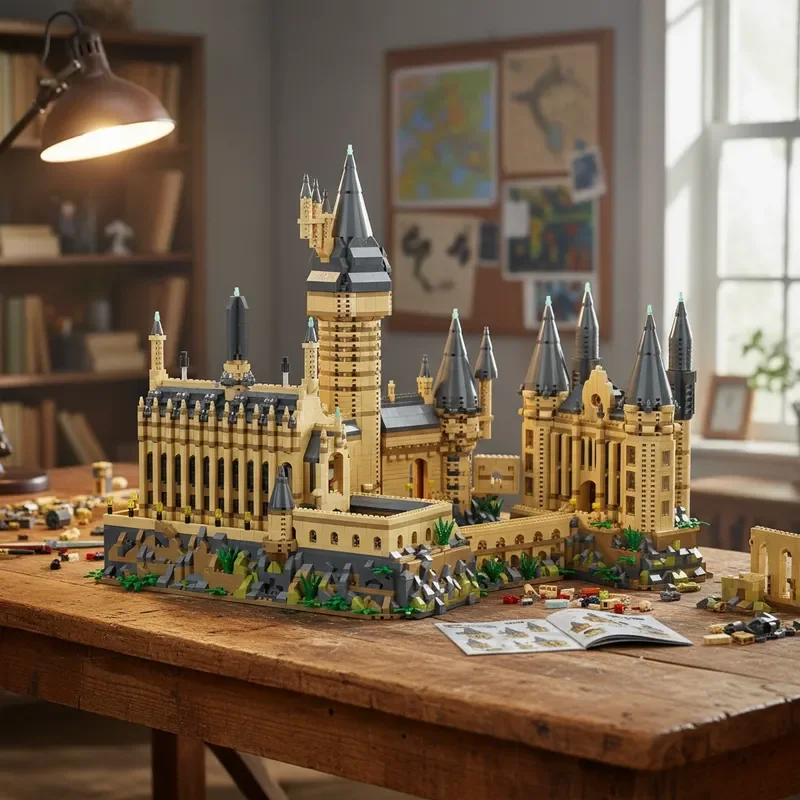
Screens present finished content; toys present possibilities. A set of construction bricks can become a castle, a spaceship, a bridge, or something entirely original. This open-ended play nurtures creativity and imagination in ways scripted screen content cannot.
Sustainable Focus and Attention
Educational toys encourage sustained, focused play sessions. Children become absorbed in their building projects, developing genuine concentration and patience. Screen-based entertainment often relies on rapid stimulus changes that condition shorter attention spans.
The Balanced Approach
This isn't an argument for eliminating screens entirely—educational videos and apps have legitimate roles in learning. However, the foundation of childhood development should rest on hands-on play with quality educational toys. Building blocks, construction sets, and STEM toys offer unmatched developmental benefits that shape confident, capable learners.
When choosing gifts or toys for children, prioritize hands-on educational options that encourage active engagement, creativity, and real-world skill development. Your child's growing brain will thank you.