In an age where screens dominate childhood, parents and educators are increasingly asking: are our children actually learning, or just consuming? The answer points to a simple truth: hands-on educational toys and construction play offer developmental benefits that passive screen time simply cannot match.
Active Engagement vs. Passive Consumption
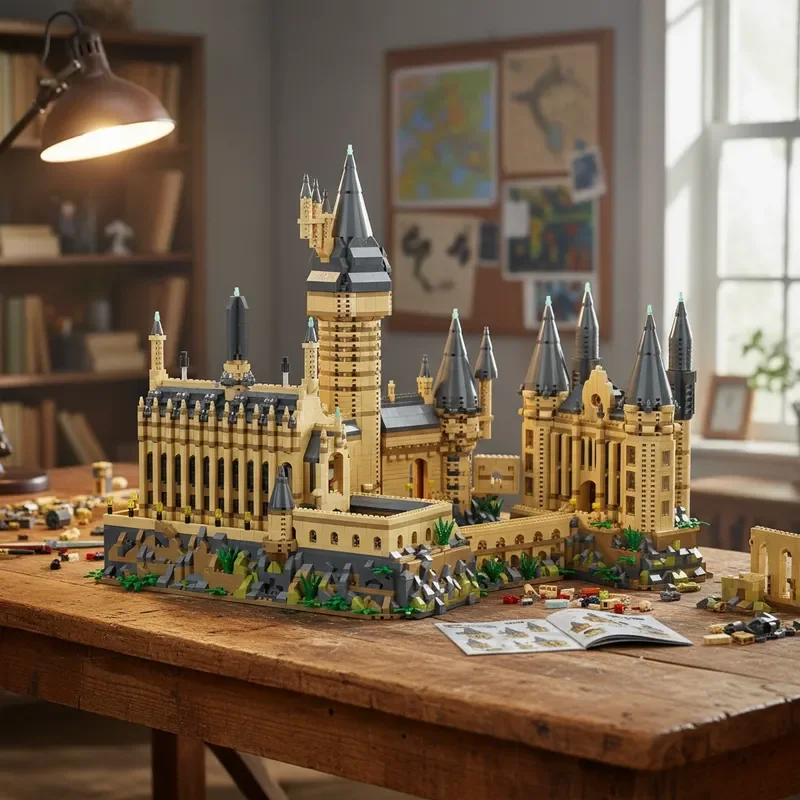
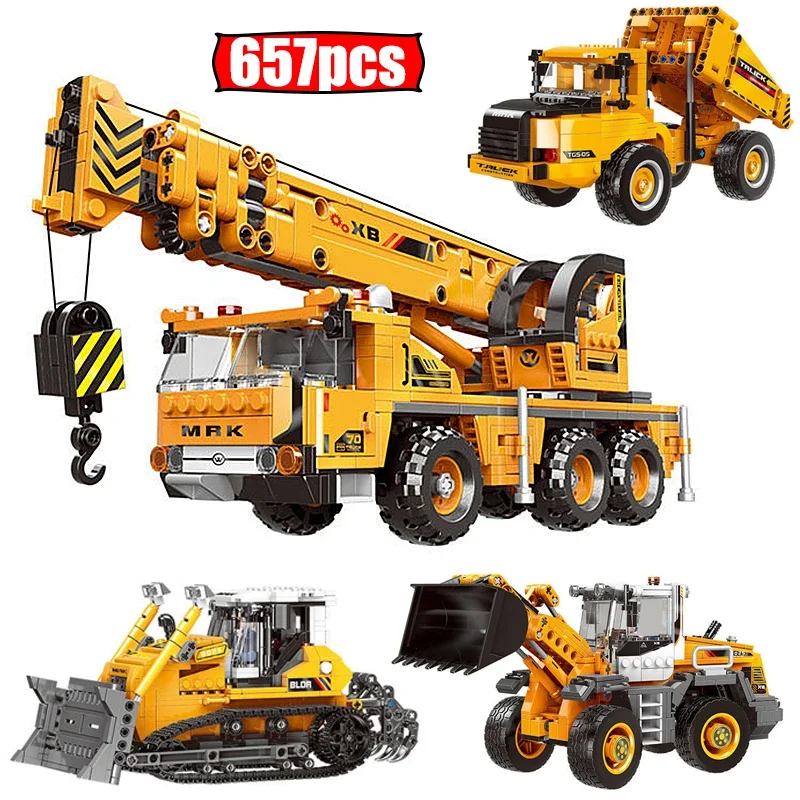
When children play with building blocks and construction bricks, they're not passively receiving information. Instead, they're actively problem-solving, experimenting, and creating. This hands-on engagement triggers deeper neural pathways than watching videos or playing passive games. Educational toys demand participation—they require children to think critically about how pieces fit together, what structures will hold, and how to overcome obstacles.
Building Real-World Problem-Solving Skills
Construction play teaches resilience in ways screens cannot. When a tower falls or a design doesn't work, children learn to troubleshoot, adjust their approach, and try again. This iterative learning process builds confidence and teaches that failure is part of discovery. Screen-based learning, by contrast, often follows a predetermined path with little room for authentic problem-solving.
Developing Fine Motor Skills and Spatial Reasoning
Manipulating building blocks strengthens hand-eye coordination, fine motor control, and spatial awareness. Children learn to visualize three-dimensional structures before building them—a crucial skill for mathematics, engineering, and even reading comprehension. Screen interaction simply doesn't provide the same tactile feedback and physical development.
Encouraging Social and Collaborative Play
Educational toys naturally invite shared experiences. Building together promotes communication, negotiation, and teamwork. Children discuss ideas, divide tasks, and celebrate shared accomplishments. Screen time, particularly passive consumption, often isolates children or creates parallel play rather than true collaboration.
Fostering Creativity Without Algorithms
Construction sets offer open-ended possibilities. A child's imagination sets the only limit. There's no algorithm suggesting what comes next, no predetermined storyline. This creative freedom is essential for developing original thinking and artistic expression—qualities that standardized screen content struggles to cultivate.
The Science Behind the Benefits
Research consistently shows that hands-on learning increases information retention, boosts engagement, and strengthens neural connections. Educational toys that engage multiple senses (touch, sight, sometimes sound) create richer learning experiences than single-sensory screen interaction. STEM-focused building toys, in particular, have been shown to improve outcomes in science and mathematics.
Screen Time and Attention Concerns
Prolonged passive screen exposure has been linked to attention span difficulties and reduced creative thinking in children. The rapid-fire stimulation of screens can make the slower, more meditative pace of construction play seem less appealing—yet this slower pace is exactly what developing brains need for deep focus and meaningful learning.
Finding Balance in a Digital World
This isn't about demonizing all screens. Educational apps and digital tools have value. Rather, it's about recognizing that foundational development—critical thinking, motor skills, creativity, and emotional resilience—is best built through hands-on play. A balanced childhood includes plenty of time with physical educational toys and construction sets, complemented by thoughtful screen time rather than replaced by it.
Making the Switch
If your home has been screen-heavy, introducing quality building blocks and construction brick sets can feel like a revelation. Watch as children become absorbed in creative projects for hours. Notice improved focus, more imaginative play, and genuine joy in discovery. These aren't just toys—they're tools for healthy cognitive and physical development.
The bottom line: educational toys don't compete with screens as entertainment. They offer something deeper: the genuine development that comes from active, hands-on learning. In a world of endless digital content, the simple act of building something real remains one of childhood's most valuable experiences.