When it comes to building toys, parents often wonder whether wooden blocks or plastic construction bricks are the better choice for their children. Both have merits, but understanding the differences can help you make an informed decision that aligns with your family's values and your child's developmental needs.
Durability and Longevity
Wooden blocks are known for their exceptional durability. When cared for properly, a quality wooden block set can last for decades—often passed down from one generation to the next. Plastic blocks, while sturdy, can crack, fade, and become brittle over time, especially with heavy use or sun exposure. If longevity and sustainability matter to your family, wooden blocks offer outstanding value over the long term.
Safety and Non-Toxicity
High-quality wooden blocks are typically made from untreated or sustainably sourced wood, making them naturally safe for young children who explore toys by putting them in their mouths. Many plastic construction kits are BPA-free and meet safety standards, but wooden blocks eliminate concerns about chemical off-gassing entirely. This natural safety profile is a significant advantage for families prioritizing non-toxic play.
Screen-Free Play and Creativity
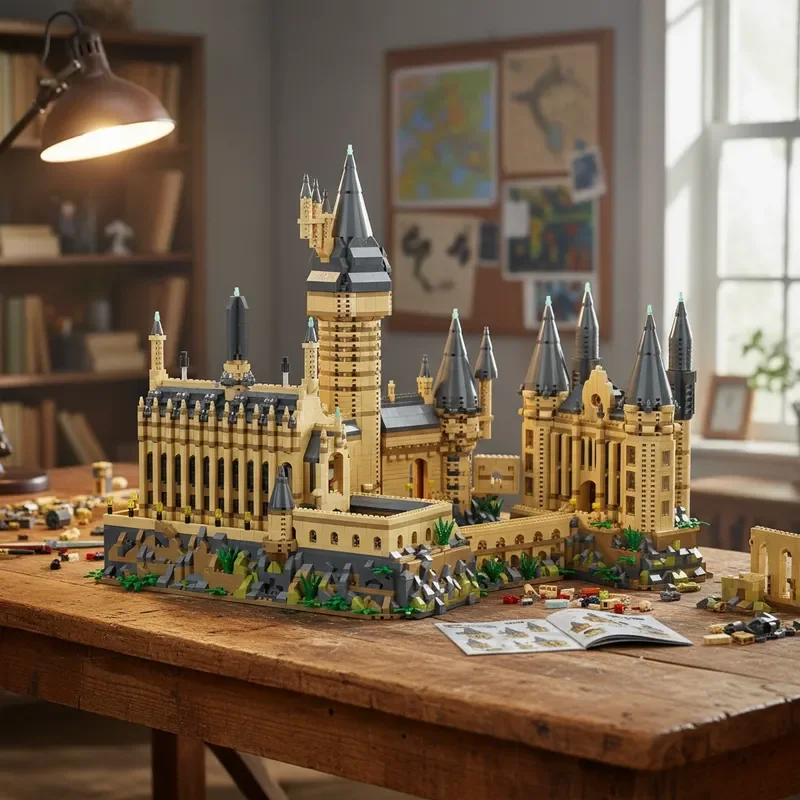
Wooden blocks encourage open-ended, imaginative play without bells, whistles, or battery requirements. This unplugged approach naturally keeps children away from screens and fosters creative thinking. While plastic building systems often have themed sets and instructions, wooden blocks invite children to invent their own structures, stories, and solutions. This type of unstructured play builds problem-solving skills and creative confidence.
Environmental Impact
Wooden blocks made from responsibly harvested wood are biodegradable and have a smaller environmental footprint than plastic. Plastic construction toys, though durable, eventually end up in landfills where they persist for centuries. If teaching children environmental stewardship matters to you, wooden blocks send a powerful message about sustainable choices.
Tactile Experience
The natural texture, weight, and warmth of wooden blocks provide a rich sensory experience that many children find more satisfying than smooth plastic. This tactile feedback can enhance fine motor development and provide calming, meditative play—benefits that plastic blocks, while functional, don't offer in quite the same way.
Cost and Value
Wooden block sets are often more expensive upfront, but their durability means they cost less per year of use. A quality wooden set purchased for a toddler might still be used by younger siblings, cousins, or grandchildren years later. Plastic construction kits may be cheaper initially but require replacement more frequently.
The Verdict
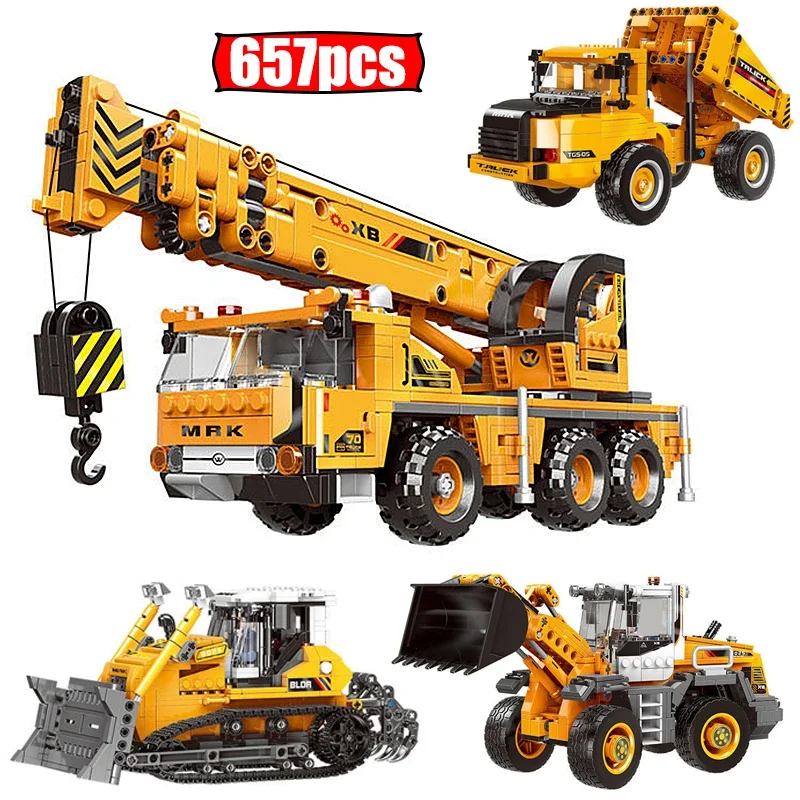
Wooden blocks edge ahead when you prioritize durability, safety, open-ended creativity, and environmental responsibility. They're the superior choice for families looking to invest in toys that grow with their children and support imaginative, screen-free play. However, plastic construction systems excel at specific themed building (like architecture or vehicles) and may appeal to children who benefit from guided, instruction-based projects.
At Gifts for Angels, we believe the best toy collection includes both—wooden blocks for foundational, creative play and complementary STEM kits for structured learning. Whether you're shopping for Christmas or year-round gift-giving, prioritizing educational toys like blocks over passive screens is always a win for your child's development.